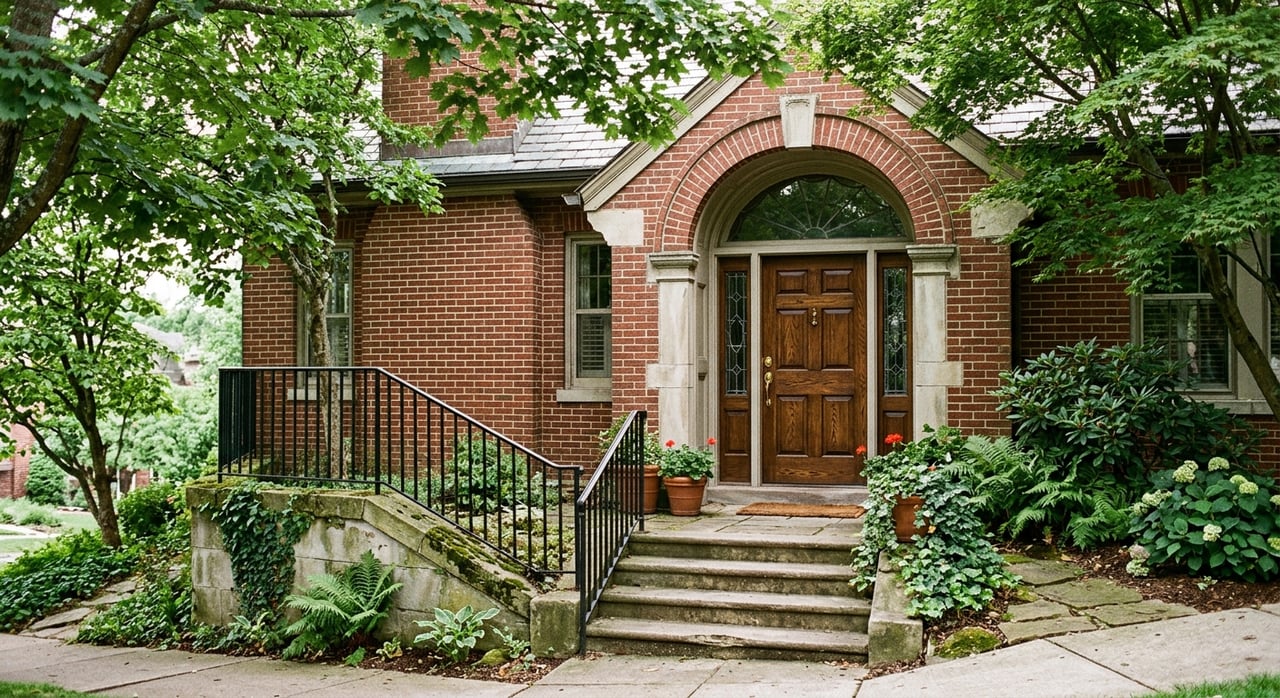
Marketing High-End And Historic Homes In Charleston
April 23, 2026
April 23, 2026
If you own a standout property in Charleston, you already know a high-end or historic home cannot be marketed like every other listing. Buyers need more than square footage and bedroom counts. They need context, confidence, and a clear picture of what makes your home special. When marketing is done well, you can showcase character, answer practical questions early, and attract the right buyer with less guesswork. Let’s dive in.
Charleston has a rich historic housing story, with nine districts listed on the National Register of Historic Places and local recognition of The Block Historic District. In areas like the East End, the city notes that the district includes about 400 buildings and is defined by late-19th- and early-20th-century architecture. That means your marketing has to do more than describe a house. It should help buyers understand the home’s place within Charleston’s architectural landscape.
Historic and high-end listings also tend to bring more buyer questions upfront. People want to know what is original, what has been updated, and whether there are any design review or preservation considerations. A strong strategy anticipates those questions and turns them into selling points instead of friction.
The best marketing for a historic home begins with accuracy. Charleston’s preservation guidance points to details like porches, original windows and doors, rooflines, brick or wood materials, and thoughtfully integrated additions as character-defining features worth highlighting. Those specifics create a more compelling story than vague phrases like “full of charm” or “one of a kind.”
If your home has a documented history, that can strengthen the listing even more. Resources like the West Virginia State Historic Preservation Office’s Historic Property Inventory can provide building descriptions, brief histories, location details, and archival photographs that support accurate marketing copy. For especially old residences, Charleston’s history also includes surviving landmark homes such as Holly Grove and the Col. Henry Hewitt Wood House, which shows how long the city’s architectural legacy runs.
When buyers shop historic homes, they often respond to details they can picture. Instead of broad claims, your listing should call out the features that define the home’s character and scale.
That often includes:
This kind of detail matters because Charleston’s East End guidance specifically emphasizes authentic features and warns against mismatched decorative additions. Precise descriptions help buyers appreciate the home and reduce confusion about what is truly historic versus what is newer.
Luxury and historic buyers usually want both beauty and function. They want to see period details, but they also care about how the home lives today. That is why good marketing should clearly separate original features from later improvements.
For example, if the kitchen or baths have been updated, your marketing should frame those changes in relation to the home’s overall style. If an addition was completed thoughtfully, say so in concrete terms. Buyers tend to respond better when they understand how updates support everyday living without erasing the home’s identity.
Online presentation carries enormous weight. According to the National Association of Realtors, 81% of buyers rated listing photos as the most useful feature during their online search. That makes photo strategy one of the most important decisions in your marketing plan.
For Charleston historic homes, the lead image should often be the most recognizable exterior view. That may be the facade, the front porch, or a perspective that shows the home’s setting on the lot. After that, the photo sequence should quickly move into the rooms and features that tell the story best, including major living spaces, architectural details, and outdoor areas.
Staging can help buyers connect emotionally to a property, especially when room uses or layouts may not feel obvious at first glance. NAR’s 2025 staging snapshot found that 83% of buyers’ agents said staging made it easier for buyers to visualize a future home, and 60% said it affected some buyers.
In many homes, the first priority is the living room, primary bedroom, and dining room. In Charleston’s historic properties, it can also make sense to give extra attention to the front porch, stair hall, windows, and built-ins. Those areas often help buyers understand not just the layout, but the personality of the home.
Most buyers start online, and they are not all browsing from a desktop. NAR reports that buyers split their internet searches about evenly between desktop or laptop and mobile devices, while photos, detailed property information, floor plans, virtual tours, and videos all rank as useful website features. In short, your listing has to read well and look sharp on a phone.
That means a high-end or historic home listing should include:
Virtual tours and video are often best used as premium add-ons, not substitutes for broad exposure. They can deepen interest once the core listing presentation has already captured attention.
Some properties call for more than standard interior and exterior photography. If your home sits on a larger lot, has a riverfront setting, or includes estate-style grounds, aerial imagery may help show the full picture. NAR notes that drone photography can highlight landscape, outdoor features, and the location of the home, which can be especially helpful when the setting is part of the value.
That said, aerial work should be handled professionally. Drone use may be subject to FAA, privacy, and local rules, so it should be planned carefully rather than treated as a casual extra.
One of the most important parts of marketing a Charleston historic home is setting expectations early. The city states that only properties in the original East End Historic District are subject to Charleston Historic Landmarks Commission design review. That is the kind of detail a serious buyer will want to know before making plans for future changes.
If your property contributes to a historic district, there may also be preservation-related opportunities worth discussing. The city notes that grants and tax credits may be available when work follows the Secretary of the Interior’s Standards and is coordinated with the West Virginia State Historic Preservation Office. That does not mean every buyer will pursue those options, but sharing accurate information can make your listing more useful and credible.
For Charleston riverfront or low-lying homes, transparency matters just as much as presentation. The city says Charleston has experienced 13 floods greater than the 1% annual-chance flood, and its floodplain manager reviews permit applications for compliance.
If flood exposure may affect your property, it is better to address that early than let buyers discover it late in the process. The FEMA Flood Map Service Center is the official online source for flood-hazard maps, and that information can help shape pricing, buyer conversations, and expectations about insurance.
A beautiful listing still needs broad exposure. NAR’s 2024 buyer trends report found that 52% of buyers found the home they purchased on the internet, and 41% said their first step was looking online for properties. For sellers, that reinforces a simple point: polished marketing matters, but distribution matters too.
That is why high-end and historic homes benefit from a strategy that combines strong presentation with wide syndication. The core channels buyers use most often still include the MLS, major listing platforms, agent websites, company websites, open houses, and yard signs. Premium elements like video and virtual tours work best when layered on top of that foundation.
For a Charleston historic or luxury listing, the most effective approach usually combines research, presentation, and clear communication. It should help buyers see the home, understand the home, and trust the information they are reading.
A strong plan often includes:
For distinctive homes, details are not extra. They are the strategy.
If you are preparing to sell a high-end or historic home in Charleston, the right marketing can make your property easier to understand and more compelling to the buyers most likely to appreciate it. When your home’s story is presented with clarity, accuracy, and polished visuals, you give the market a better chance to recognize its value. If you want a tailored plan for your property, Christina Di Filippo is here to help.


Whether you’re ready to sell your home, curious about its value, or just exploring your options, Christina and David Di Filippo are here to guide you. Let’s connect and start turning your real estate goals into reality.