
Living in Hurricane WV: What to Expect Day to Day
February 5, 2026
February 5, 2026
Thinking about trading city hustle for small-town ease without giving up convenience? Hurricane sits in Putnam County within the broader Charleston metro, so you get a suburban pace with regional access when you need it. If you’re weighing a move, you want a clear picture of daily life, from neighborhoods and commutes to schools, parks, and local amenities. This guide gives you a grounded look at what it’s like to live in Hurricane so you can plan your next step with confidence. Let’s dive in.
Hurricane is in southwestern West Virginia, west of Charleston in Putnam County. It’s part of the Kanawha Valley’s network of communities, with interstate connections that make regional travel straightforward. Many residents enjoy a quieter setting while staying linked to Charleston-area jobs and services.
If you’re comparing population or household trends, you can review current figures on the U.S. Census Bureau’s QuickFacts pages for a data-backed snapshot.
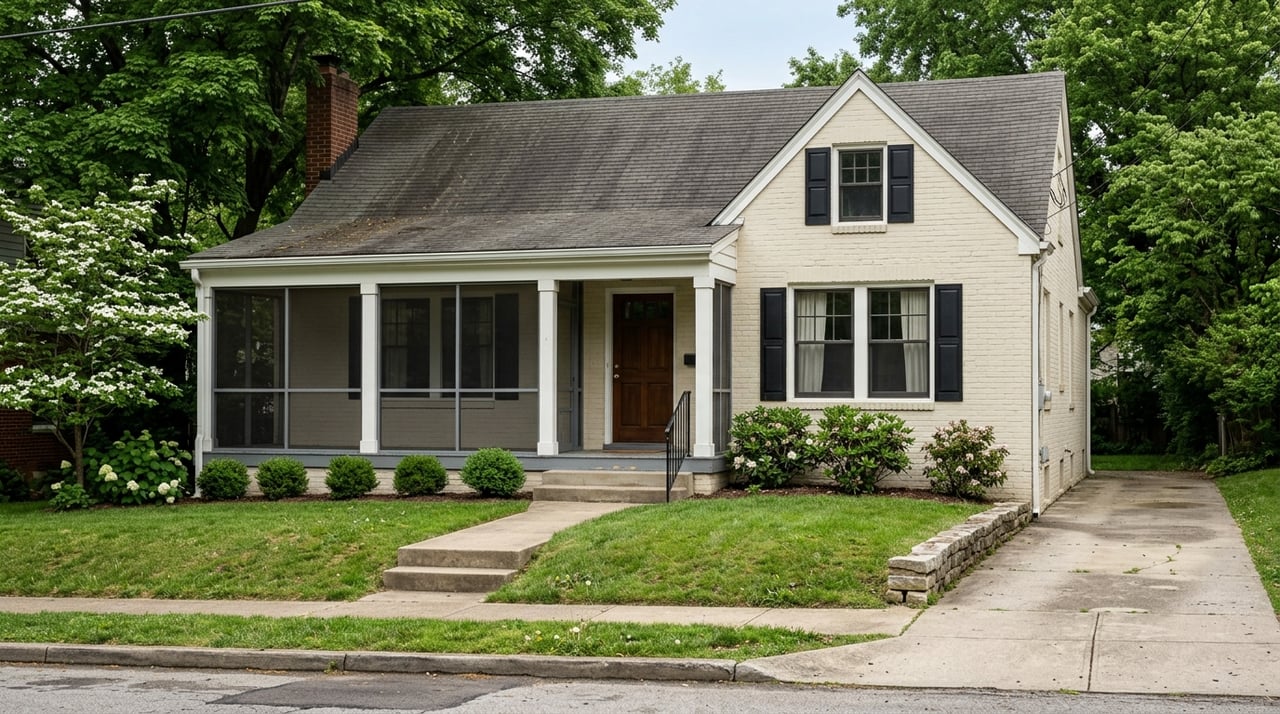
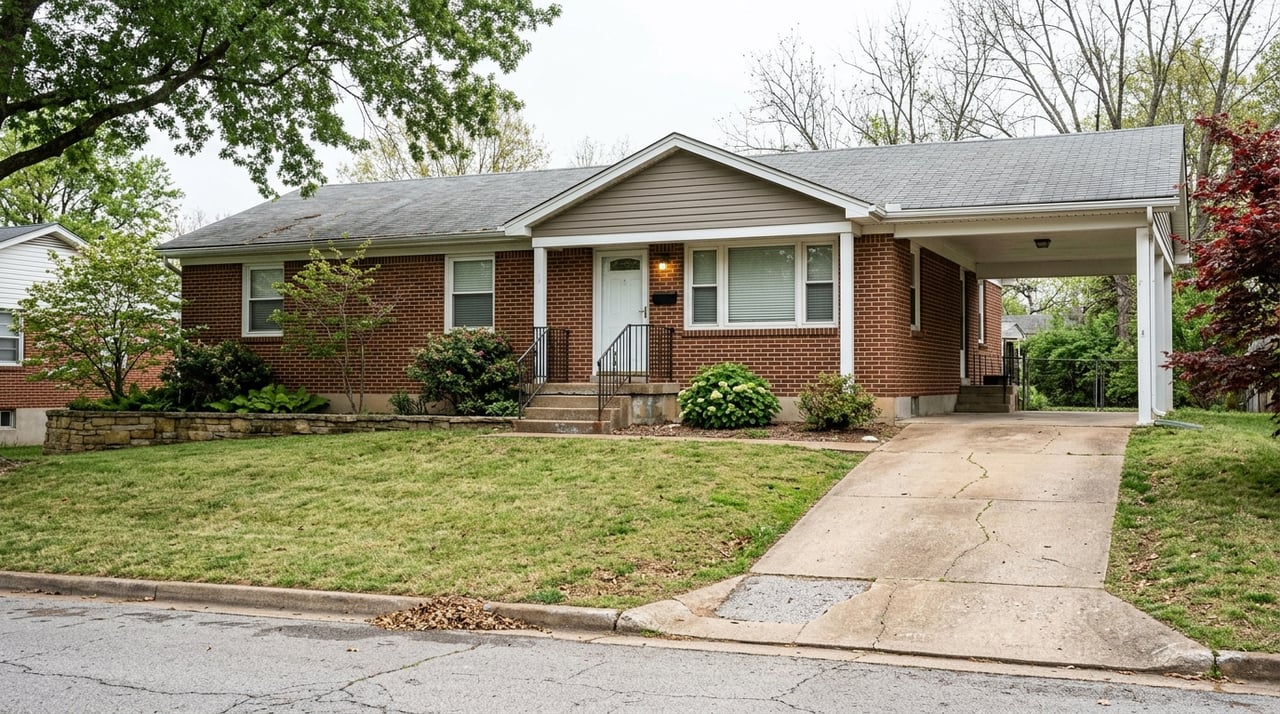
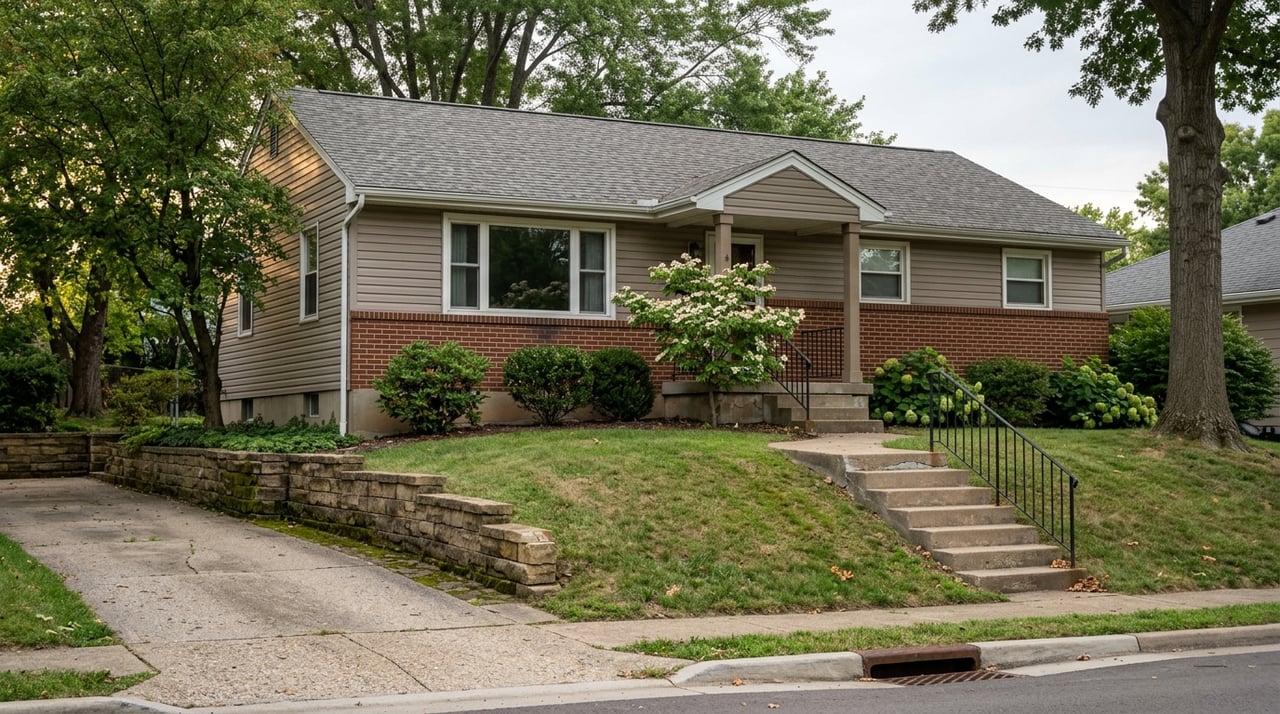
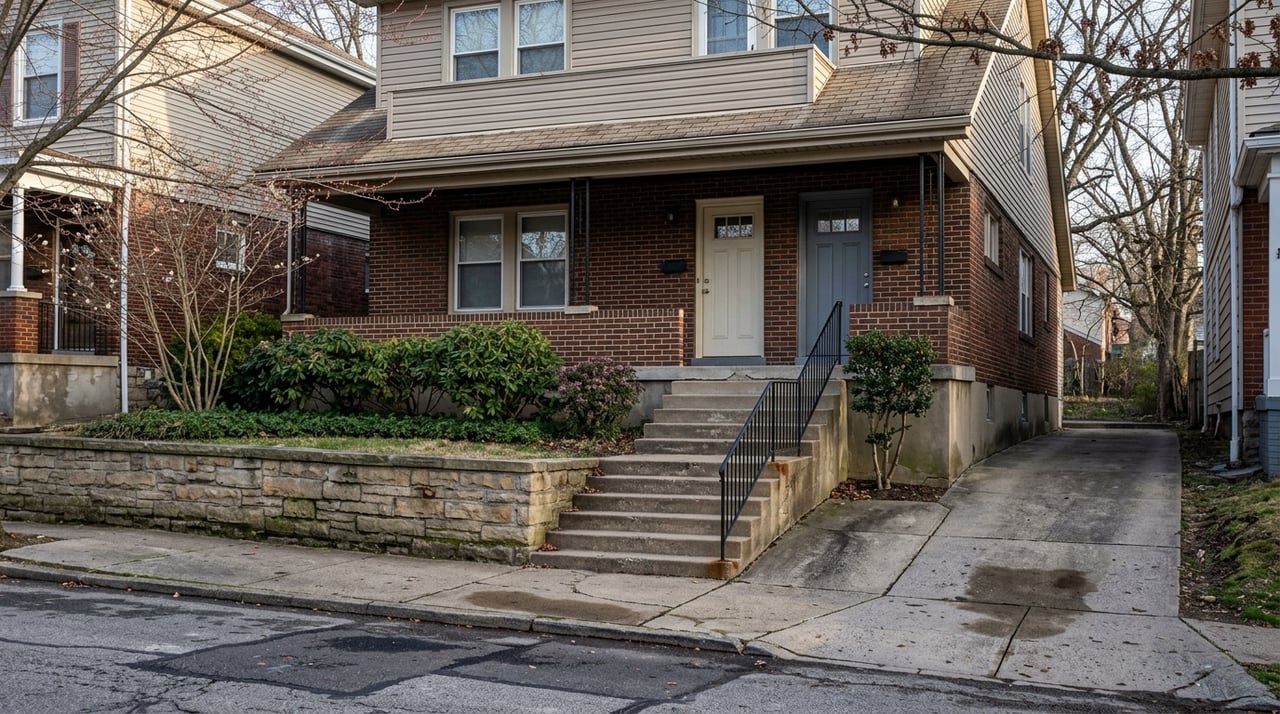
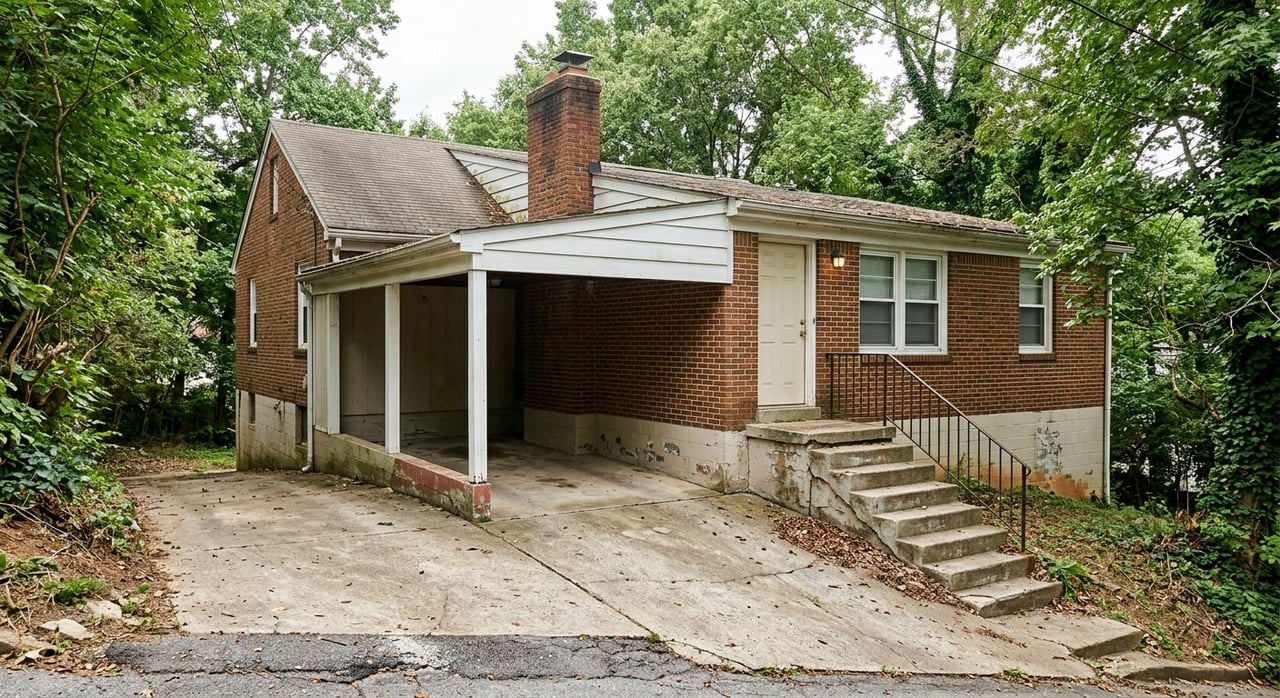
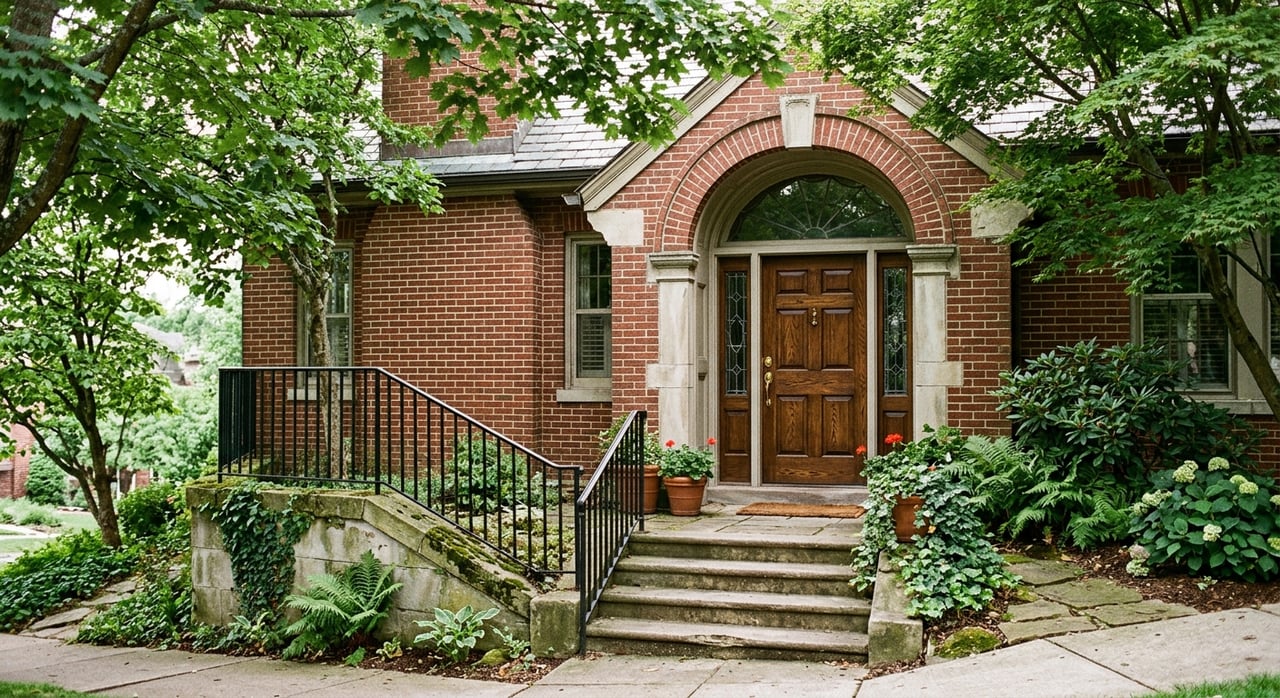
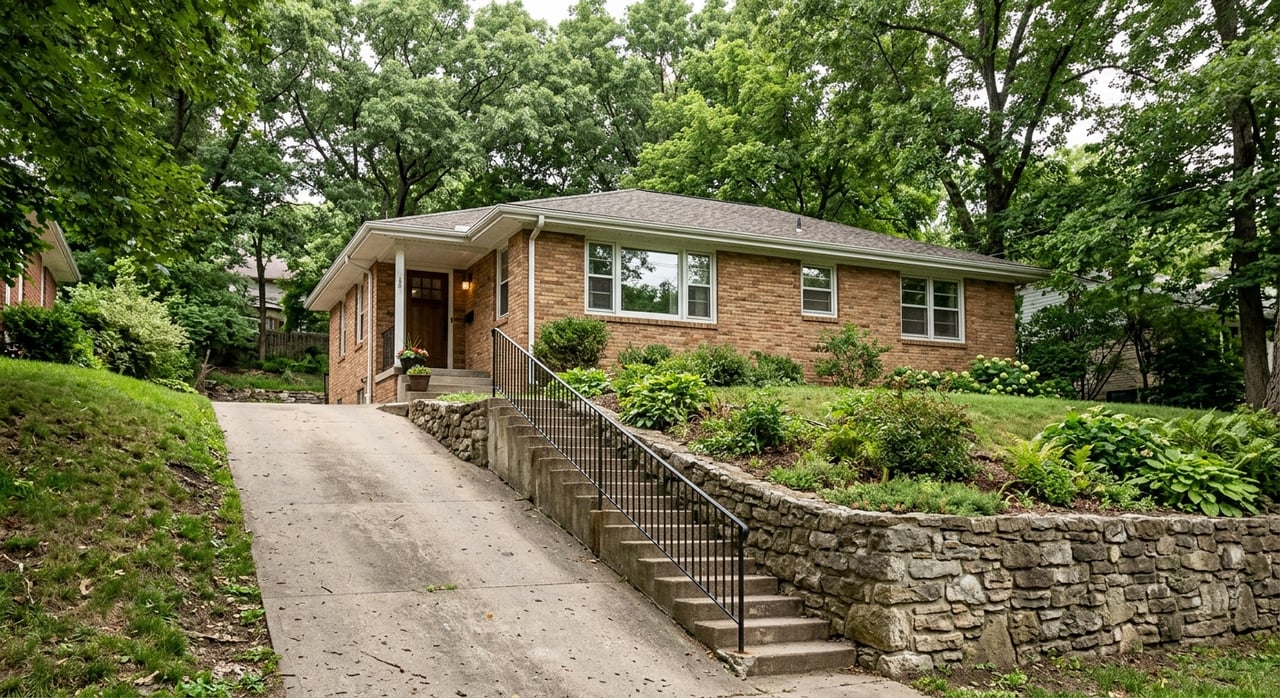
Hurricane offers a classic suburban mix. You’ll find single-family homes in planned subdivisions built after the 1990s, older homes near the town center, and semi-rural properties with acreage on the outskirts. Styles range from ranch and Cape Cod to two-story colonials and newer construction, often set on lots with mature trees and rolling terrain.
If you want a neighborhood feel with sidewalks and short drives to shopping, newer subdivisions often fit the bill. If you prefer privacy and elbow room, look just beyond the core for small farms or homes on larger parcels. Proximity to town services, home size, and lot size all influence value and day-to-day convenience.
Compared with many national metro areas, overall home values in Hurricane and Putnam County tend to be more attainable. Prices vary widely by age and size of the home, neighborhood features, and acreage. Larger, newer homes or properties with land often command premiums.
Market conditions can change quickly. For the most accurate picture, review current median prices, days on market, and inventory in recent local MLS reports, and always date any figures you use. If you’re a move-up buyer, be ready to discuss trade-offs like commute length versus lot size and home age.
Most residents rely on cars for daily travel. Interstates and regional highways provide direct routes to Charleston and other employment centers in the Kanawha Valley. Peak traffic usually clusters around weekday morning and evening commutes, especially near local arterials and interstate on-ramps.
If you want official travel and project updates, the West Virginia Department of Transportation offers current resources and maps on its site. Explore tools and notices via the WVDOT. For broader commute trends, American Community Survey data offers useful context on average travel times across the region.
Hurricane is served by Putnam County Schools. Most addresses feed into a local elementary, a middle school, and Hurricane High School, but boundaries can change. You should verify the assigned schools for your specific address and review programs that matter to your family.
For official accountability data and report cards, check the West Virginia Department of Education. Hurricane and nearby areas also offer private daycare and preschool options. Availability can shift seasonally, so plan ahead and confirm enrollment timelines early.
Parks, walking paths, youth sports fields, and local green spaces are part of everyday life in Hurricane. Many residents spend weekends at nearby rivers, lakes, and state recreation areas for hiking, fishing, and boating. The small-town calendar often includes seasonal events that bring neighbors together.
For regional outdoor inspiration, browse statewide ideas through West Virginia Tourism. You’ll find plenty of options within an easy drive for family-friendly day trips.
Daily errands are straightforward. You’ll find grocery stores, pharmacies, banking, and services along the town’s main corridors. For specialty retail, big-box options, and cultural venues like theaters and museums, Charleston’s larger commercial centers are a direct drive away.
Primary care clinics and urgent care facilities are available locally. For major care and specialists, residents commonly use Charleston health systems, including Charleston Area Medical Center hospitals. If emergency access is a priority, map the nearest facilities from your prospective address.
Municipal services like water, sewer, trash collection, and parks maintenance are handled through local providers. Service areas can vary by street, especially as you move toward semi-rural zones, so confirm utilities by exact address when you’re under contract.
Broadband access has improved across many parts of Putnam County, but speeds and providers still vary by location. Check the FCC National Broadband Map to see provider options and estimated service levels for your address.
Civic groups, churches, youth sports, and volunteer organizations shape Hurricane’s small-town rhythm. Seasonal festivals, parades, and community days are common, offering easy ways to meet neighbors and get involved. If you’re new to town, following city calendars and county tourism pages is a simple way to plug in.
You may be a great fit for Hurricane if you want:
When you’re ready to explore homes or discuss timing, reach out to schedule your free consultation with Christina Di Filippo. You’ll get local insight, clear guidance, and a plan tailored to your move.

Whether you’re ready to sell your home, curious about its value, or just exploring your options, Christina and David Di Filippo are here to guide you. Let’s connect and start turning your real estate goals into reality.