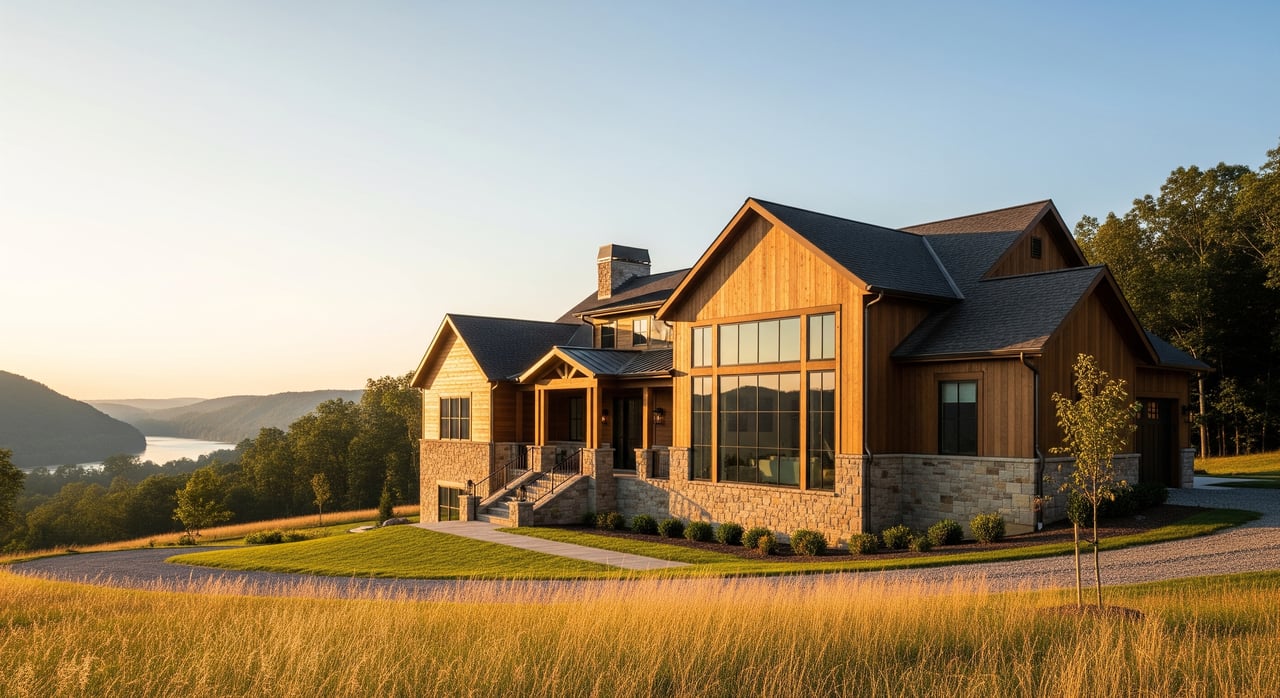
Exploring the Best Neighborhoods in Hurricane WV
January 22, 2026
January 22, 2026
Ready to trade your starter home for more space and comfort in Hurricane? You’re not alone. Many local families are eyeing bigger floorplans, larger yards, and locations that fit school routines and commute needs. In this guide, you’ll learn how move-up buyers are choosing micro-markets in Hurricane and Putnam County, what to check for lots and utilities, how to think about commutes and amenities, and which search filters to use so you don’t miss great options. Let’s dive in.
When you upgrade, you usually focus on four things: space, lot size, daily convenience, and long-term value. That can mean 3 to 5 bedrooms, a larger primary suite, a finished basement, or a dedicated office. Yards often jump from small parcels to 0.25–0.5 acres or more for play, pets, and gardens. You also want proximity to schools and activities, a manageable commute to Charleston or Huntington, and a home that will resell well.
Hurricane offers a mix of older in-town neighborhoods, established subdivisions, newer planned communities, and semi-rural acreages. Each micro-market delivers different tradeoffs on lot size, school proximity, commute time, utilities, and HOA rules. Knowing those tradeoffs upfront helps you shortlist areas with confidence.
What it is: Neighborhoods close to Hurricane’s core with smaller to mid-sized lots and easy access to local shops, parks, and schools. You’ll often see sidewalks, short drives to sports fields, and quick trips for groceries or pharmacy runs. Expect older homes with character and some updated interiors.
What to check: Confirm assigned schools directly with Putnam County Schools. Walk or short-drive access to parks and city programs is a plus; the City of Hurricane website lists facilities and services. For commute planning, test real-time routes during peak hours.
Typical fit: Families prioritizing routines around school pickup, activities, and daily errands.
What it is: Mid-1980s to 2000s communities with mid-sized lots, 3 to 5 bedrooms, and neighborhood amenities like sidewalks or play spaces. You’ll see a range of floorplans, from two-story traditionals to ranches with finished basements.
What to check: Some subdivisions sit near major routes for easier commutes but may have traffic noise tradeoffs. Review any HOA rules and fees before you fall in love with boat storage or a shed plan. Verify utilities and internet options early, especially if you work from home.
Typical fit: Buyers seeking more interior space and a yard without moving far from daily conveniences.
What it is: Recent builds or active new construction with modern layouts, energy-efficient systems, and options for selection or upgrades. Lots are often smaller to mid-sized with HOA-cared common areas.
What to check: Builder timelines, warranty coverage, and HOA covenants. Newer homes may have excellent efficiency, but lot choice can be limited to current releases. If timing matters, verify completion dates and change-order policies.
Typical fit: Buyers who want turnkey design, builder warranties, and modern floorplans.
What it is: Semi-rural parcels on the outskirts with 0.5 to 2+ acres and true acreage tracts at 1+ acres. These offer privacy, room for gardens or hobbies, and sometimes space for an outbuilding, subject to zoning and covenants.
What to check: Many larger lots use private well and septic. That means targeted inspections and ongoing maintenance. Terrain matters; steep slopes affect usable yard and improvements. Commutes are longer but can be manageable with proximity to major routes.
Typical fit: Buyers who value elbow room, privacy, and outdoor projects.
Hurricane serves as a bedroom community for Charleston and Huntington, so drive-time matters. Test routes during peak hours and consider 15, 25, and 35-minute drive-time bands for shortlisting. If you regularly use I-64 or key state routes, proximity is helpful, though it can bring some traffic noise. For road work and corridor updates, monitor the WV Department of Transportation traffic and projects.
Quick tip: Map your daily essentials within a 5–10 minute drive. Grocery stores, urgent care, and pharmacies can save time during busy weeks.
Bigger yards often mean different utility setups. Inside city limits, you are more likely to find municipal water and sewer. On the outskirts or acreage lots, private wells and septic systems are common.
Move-up families often consider school proximity and consistency. Boundaries can split neighborhoods and may change over time. Always confirm current assignments and feeder patterns with the district. Start with Putnam County Schools for boundary and contact info, and consider neutral third-party profiles like GreatSchools for additional context.
Neighborhood playgrounds, fields, and city programs can shape quality of life. Look for parks, trails, and community facilities within short drives of your target area. The City of Hurricane website is a helpful resource for parks and services. When in doubt, visit at different times of day to see how you’ll use the space.
New construction usually offers modern layouts, energy efficiency, and builder warranties. You may trade a larger yard for newer systems and finishes, and you will want to plan for build timelines and HOA rules. Resale homes can offer established landscaping, quick move-ins, and sometimes larger lots, though updates or repairs may be part of the plan. Before you decide, compare HOA covenants, utility setup, and estimated carrying costs.
Flood risk and terrain matter across river valley areas. Use the FEMA Flood Map Service Center to flag flood zones and ask your insurance agent how that may affect coverage and closing costs. If you are pursuing acreage or hillside lots, review slope and soil considerations that can affect grading and outbuildings. In parts of West Virginia, mine-subsidence can be relevant; check state geologic resources if you have questions.
As you move up, compare property taxes, HOA fees, utilities for larger homes, and insurance, especially if a property sits within a mapped flood zone. Recent assessed values and levy rates are available through the county assessor’s office. If two homes feel similar, carrying costs can be the tie-breaker.
Below are practical filter sets you can use in your MLS search. We will gladly create a custom link for you based on your target schools, commute, and lot size goals.
General baseline
Profile A — School-focused
Profile B — Outdoor space and hobby yard
Profile C — Newer builds and modern layouts
Profile D — Commute convenience
Use this quick checklist to save time and surprises:
Plan a standard home inspection plus targeted checks based on the property’s setup. For septic, schedule a professional inspection; for wells, plan water testing. Acreage buyers should ask about soil perc tests and driveway easements. New construction buyers should review builder warranties and change-order policies.
If you are buying while selling, talk with your lender and agent about timing, contingencies, or temporary housing options. Conventional loans are common, and rural programs may apply in some semi-rural locations. Include taxes, HOA fees, utilities, and any flood-related insurance in your monthly planning.
Every move-up plan has a few tradeoffs. The right choice balances space, yard size, commute, and budget with confidence in schools, utilities, and long-term costs. If you want a custom map with school boundaries, flood layers, and drive-time bands, or a saved search tuned to your goals, we’re here to help.
Schedule your free consultation with Christina Di Filippo to get a tailored Hurricane move-up plan, complete with neighborhood shortlists and property-specific checks.
Updated January 2026

Whether you’re ready to sell your home, curious about its value, or just exploring your options, Christina and David Di Filippo are here to guide you. Let’s connect and start turning your real estate goals into reality.