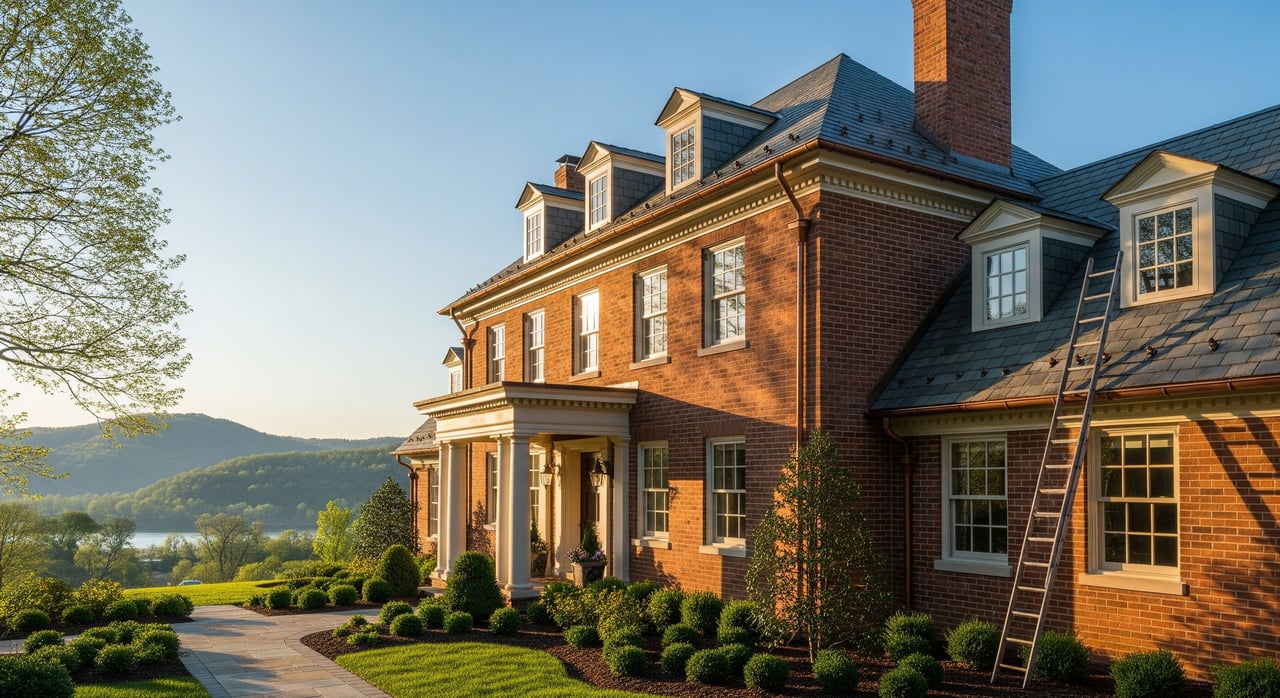
Should You Get a Pre-Listing Inspection in South Charleston?
January 8, 2026
January 8, 2026
Thinking about listing your South Charleston home this spring? A pre-listing inspection can feel like one more task on a long to-do list, but it may save you stress and money once buyers start touring. You want a smooth sale, fewer surprises, and a clear plan for what to fix and what to disclose.
In this guide, you’ll learn the real pros and cons, typical costs, timing, and West Virginia disclosure basics so you can make a confident decision for your timeline and budget. Let’s dive in.
A pre-listing inspection is a home inspection you order and pay for before your home hits the market. The inspector evaluates major systems and visible components, then delivers a written report with any defects, safety concerns, and maintenance items.
Sellers use the report to decide what to repair, what to disclose, and how to price the home. You can also add targeted tests like radon, termite/WDO, a sewer scope, or specialist opinions for roofing, HVAC, or chimneys.
By identifying issues upfront, you reduce the chance of a last-minute shock after the buyer’s inspection. That can help you avoid rushed decisions or steep price drops late in the process.
When you know your home’s condition, you can anticipate buyer questions and respond quickly with documentation, receipts, and any completed repairs. That often shortens the negotiation window and keeps closing on track.
“Pre-inspected” can be a meaningful signal to buyers, especially for mid-century homes common in South Charleston. It shows transparency and can increase confidence during showings and offers.
With time on your side, you choose contractors, order quotes, and decide whether to repair, disclose, or offer a credit. You can also price appropriately for known items instead of dropping the price later.
You pay for the inspection and any repairs before listing, and there is no guarantee you will recoup every dollar. For some homes and in certain markets, that expense may not be necessary.
Some buyers may still order their own inspection and use your report to push for deeper concessions. Clear pricing and strong documentation can help you manage expectations.
Opening up one issue can reveal others, and some repairs may require permits or additional specialists. That can extend timelines and increase costs.
If the market is very hot for your price range, buyers might accept minor issues without negotiating. In those cases, a pre-listing inspection may offer less value.
South Charleston includes many mid-20th-century homes where older systems can produce inspection findings. If your home has aging roofing, plumbing, electrical, or heating, a pre-listing inspection can be especially helpful.
Local market conditions matter. In a more balanced or buyer-leaning market, a pre-listing inspection can set your home apart. For an early-spring launch, a winter inspection is common. Just note that cold weather can limit exterior work like roofing, painting, and landscaping.
Plan your budget and schedule before you book.
Typical inspection costs vary by size, age, and scope:
Repairs range widely. Minor fixes are often under $500, mid-range items like HVAC tune-ups or roof patches can run $500–$2,500, and major structural or foundation work can be much higher.
Timing tips:
A general home inspection is your base. Depending on your house and location, consider:
Confirm your inspector’s West Virginia licensing or credentials and agree on the scope in writing. If the report flags major issues, get specialist quotes early.
Use a simple, risk-based framework:
Safety and code items: Fix electrical hazards, active leaks, significant structural issues, and carbon monoxide risks if feasible. These are high priority.
Financing blockers: Address problems that may stop a loan from being approved, like a failing roof, foundation issues, or an inoperable heating system. If you cannot fix, price accordingly or plan a credit.
Easy ROI items: Minor updates, paint, lighting, gutter cleaning, and small flooring or trim repairs typically pay off.
Low-return cosmetics: High-cost cosmetic projects are often better left to the next owner unless needed to meet neighborhood norms.
Unpermitted work: Consider curing it by pulling permits or gathering documentation, or disclose clearly. Unpermitted major systems can deter buyers and lenders.
For winter listings, focus on interior systems and safety. If a weather-dependent exterior fix is needed, a repair credit is often more practical than a temporary patch.
Every seller should plan for accurate, complete disclosure. Keep receipts, permits, warranties, and contractor bids to share with buyers.
Key items:
When in doubt, disclose clearly and consult your agent or a real estate attorney.
Here is a simple planning timeline for an early-spring list date:
Winter specifics: Ensure the heating system is serviced and working. Watch for storm damage on the roof and keep walkways clear and safe for showings.
Use this starter list after your pre-listing inspection:
A pre-listing inspection is not a one-size-fits-all decision. If you have an older home, anticipate repair questions, or want a smoother negotiation, it can provide real value. If your home is newer and demand is strong at your price point, you may decide to skip it and price accordingly.
Talk with a local agent about current market expectations, your home’s age and condition, and your timeline. Then choose the most practical path: fix, disclose, or credit.
If you want tailored advice for your South Charleston sale, connect with Christina Di Filippo to walk through your options and schedule your free consultation.


Whether you’re ready to sell your home, curious about its value, or just exploring your options, Christina and David Di Filippo are here to guide you. Let’s connect and start turning your real estate goals into reality.