Hurricane WV Move-Up Homebuyers: Compare Nearby Cities
February 12, 2026
February 12, 2026
Thinking about trading your starter home for more space, a bigger yard, or a newer layout? If you’re weighing Hurricane against staying closer to Charleston or Huntington, you’re not alone. Move-up buyers across the Kanawha Valley often face the same question: more house and land, or shorter drives and urban conveniences. In this guide, you’ll get a clear, side-by-side view of what to compare so you can choose with confidence. Let’s dive in.
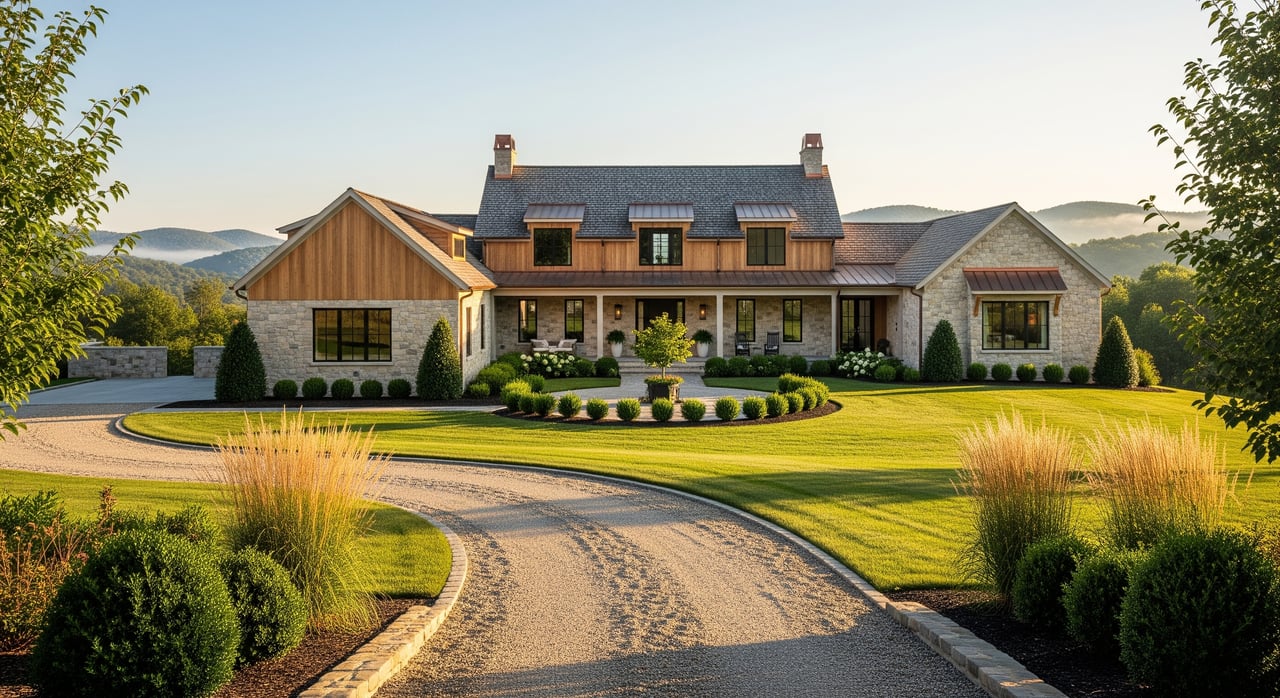
You’ll see a higher share of post-1990 construction, planned subdivisions, and detached single-family homes with larger yards. Many neighborhoods offer sidewalks and occasional HOA amenities such as pools or community centers. If you value newer systems, open floor plans, and a yard for play or pets, Hurricane typically delivers that combination.
Expect a wide mix. Close-in neighborhoods feature early to mid-20th-century homes with character, while metro fringe areas offer newer builds and traditional subdivisions. Lots can be smaller in the city core, but you’ll often be closer to services, employers, and cultural amenities.
Housing skews older in the city, including mid-century ranches and traditional two-stories. Revitalized neighborhoods near Marshall University add energy and convenience. Newer construction appears more in suburban pockets on the outskirts, where yards tend to be larger.
A practical definition for “move-up” locally is a 3 to 5 bedroom single-family home, often 2,000 to 3,500 square feet or more, with at least 2 baths and a usable yard. To compare Hurricane, Charleston, and Huntington, look at:
Ask your agent for a current, 12-month set of sold comps across the three areas that match size, age, and condition. This apples-to-apples snapshot will show what you get for your budget in each location and help you estimate monthly carrying costs.
Public school districts vary by county and neighborhood zoning. In Hurricane, you’ll look at Putnam County Schools. In Charleston, it’s Kanawha County Schools, and in Huntington, Cabell County Schools. Because boundaries and offerings can change, confirm zoning and programs directly with the districts and review state report cards from the West Virginia Department of Education.
When comparing, focus on:
Use neutral, data-based comparisons. If a specific school program is a priority, confirm zoning stability and the latest offerings before you write an offer.
Property taxes are assessed by county. Special levies can affect annual bills, so check with the respective assessor offices in Putnam, Kanawha, and Cabell for current mill rates and any recent changes. West Virginia has state income and sales taxes that apply statewide, and some local fees can vary by jurisdiction.
Insurance and risk factors can influence your monthly budget. Age of home, roof condition, and construction type affect homeowner insurance. If a home sits near a river or creek, confirm flood zone status with the FEMA Flood Map Service Center. Flood insurance, when required, can be a notable added cost. Also account for utilities: some suburban or rural properties may use private wells and septic systems, while city properties often have municipal water and sewer.
Don’t forget one-time transaction costs such as transfer taxes, recording fees, and HOA initiation fees where applicable. These can differ by county and subdivision.
Hurricane sits along I-64, offering regional access to Charleston and Huntington. The core tradeoff many families consider is time versus space. Hurricane commonly provides more house and yard but can add minutes to daily drives if you work in downtown Charleston or Huntington. Charleston’s city neighborhoods tend to reduce commute times to government, hospital, and corporate hubs. Huntington’s core places you near Marshall University and medical centers.
Peak congestion patterns can vary by corridor, and transit options between these areas are limited, so most households rely on personal vehicles. If you or your partner works remote or hybrid, reliable broadband is another key item to confirm through local internet service provider coverage maps.
For weekend recreation, you’re within a reasonable drive of rivers, trails, golf, and state parks across the region. Your best fit depends on whether you want quiet cul-de-sacs and bigger yards or prefer closer proximity to theaters, museums, and university happenings.
Buyer pools differ by location. Hurricane’s move-up neighborhoods often attract growing local families and hybrid workers who value space and newer construction. Charleston and Huntington city-center homes can draw a broader mix, including first-time buyers, downsizers, and professionals who want shorter commutes and walkable amenities.
Resale durability ties to inventory levels, location access, and community growth plans. Keep an eye on new subdivisions, school projects, road improvements, and major employer announcements. These can shift demand and affect your home’s value trajectory over time.
Use this quick checklist to match your priorities.
Choose Hurricane if you want:
Consider Charleston or Huntington if you want:
Confirm for any location:
A smart comparison starts with current data tailored to your budget and lifestyle. Request a custom set of move-up comps across Hurricane, Charleston, and Huntington, plus a school zoning check, flood map review, and a commute-time snapshot for your typical weekday.
If you’d like a local, boutique team that blends civic insight with elevated marketing, we’re here to help. Schedule your free consultation with Christina Di Filippo to map your next move.


Whether you’re ready to sell your home, curious about its value, or just exploring your options, Christina and David Di Filippo are here to guide you. Let’s connect and start turning your real estate goals into reality.