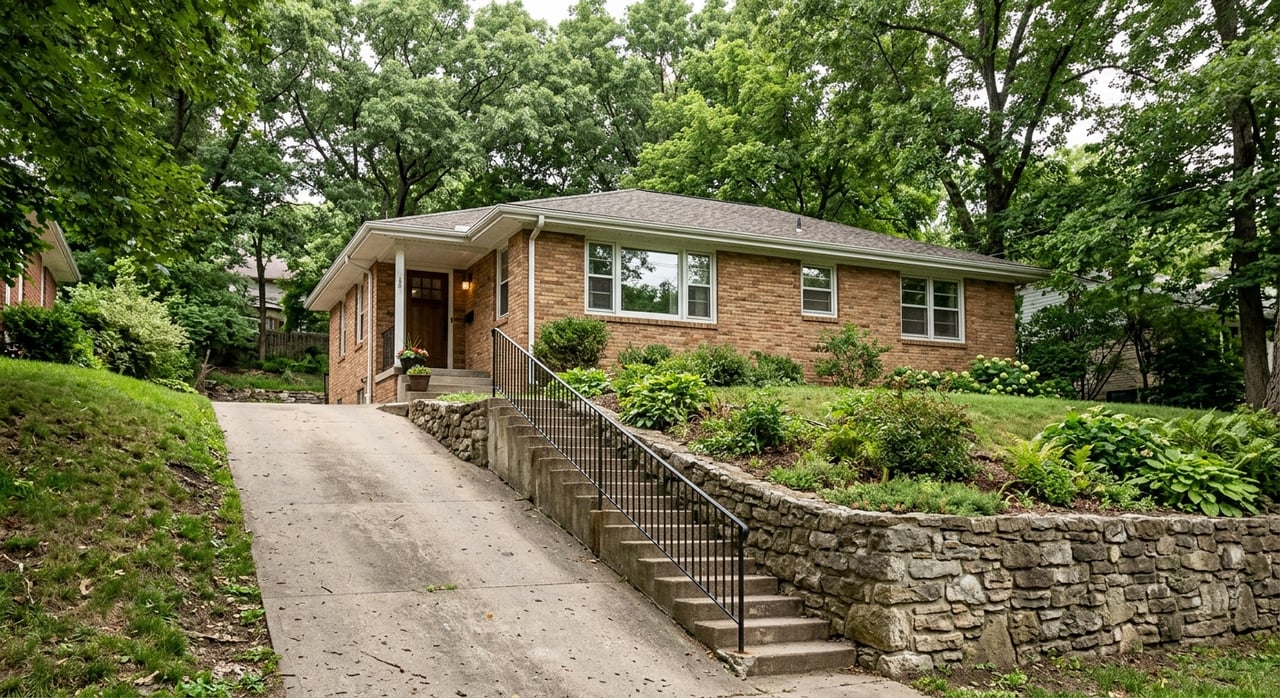
How Charleston WV Move-Up Buyers Can Compete
April 16, 2026
April 16, 2026
Trying to buy your next home while selling your current one can feel like solving two big puzzles at once. If you are moving up in Charleston, WV, you are not dealing with a runaway market everywhere, but you are competing in pockets where strong offers still matter. The good news is that preparation can give you a real edge. If you plan your financing, use your equity carefully, and target the right homes, you can compete with confidence. Let’s dive in.
Charleston is best understood as an affordable market with competitive pockets, not a one-size-fits-all market. According to Realtor.com’s Charleston overview, the median home sale price is about $155,000, with a 98% sale-to-list ratio and a median of 65 days on market. That points to a balanced market overall.
At the same time, the pace is not the same for every listing. The same Charleston market page shows neighborhood differences, including South Hills with a median listing price of $225,000 and 75 median days on market, Kanawha City at $259,000 and 94 days, and Oakridge at about $175,000 and 53 days. For move-up buyers, that means your strategy should depend on the specific price range and area you want, not just citywide headlines.
Another reason to stay flexible is that different data sources capture different snapshots. Realtor.com paints a balanced picture, while Redfin reports a more competitive environment in Charleston with some multiple-offer situations and some waived contingencies. The practical takeaway is simple: some homes move calmly, while others attract fast, serious buyers.
If you already own a home, you may have one thing many buyers do not: equity. That equity can help you make a larger down payment, reduce your loan amount, or structure an offer with fewer complications. According to the National Association of Realtors, repeat buyers are more likely than first-time buyers to pay all cash, and many use proceeds from a previous sale to strengthen their next purchase.
That does not mean you need to be an all-cash buyer to compete. It means sellers often respond well to buyers who look financially ready, can close efficiently, and are less dependent on multiple moving parts. In Charleston, that kind of offer can stand out even if the market is not uniformly intense.
One of the strongest things you can do is get loan-ready early. The Consumer Financial Protection Bureau says buyers should prepare for a home loan before shopping, with steady income, good credit, a down payment, and enough funds for closing and moving costs. Sellers notice when a buyer is ready.
Monthly payment also matters more when rates are higher. Freddie Mac’s average 30-year fixed rate was 6.37% as of April 9, 2026, so your comfort level at one price point may change quickly if taxes, insurance, or interest rates shift. For move-up buyers, this is especially important because your next home usually comes with a larger monthly obligation.
A larger down payment can help, too. CFPB notes that a 20% down payment may improve approval odds, though lower-down-payment options may still be available. If your goal is to compete without stretching your budget too far, clear preapproval and a realistic payment target should come first.
For many households, the default move is to sell first. The CFPB’s homebuying guidance notes that people normally try to sell their current home before buying another one. This approach can make your next offer cleaner and lower your financial stress.
Selling first can give you a firmer budget and access to your equity. It can also reduce the need for a sale-of-home contingency, which may be less attractive to sellers in competitive situations. If your main goal is simplicity, this is often the safer path.
Buying first may still work if you have a strong preapproval, enough savings, or a lender-approved plan for accessing equity. That path can help if the right home appears before your current home sells. Still, it carries more risk, so it is important to understand the timing and financing details before you move.
If you are thinking about tapping equity before you sell, make sure you understand the tradeoffs. Fannie Mae explains that a HELOC is revolving credit secured by your home, payments can vary, and failure to repay can put your home at risk of foreclosure. In other words, it can be a useful tool, but it is not a shortcut without consequences.
For some move-up buyers, a HELOC may help bridge the gap between homes. For others, the changing payment and added risk may not be worth it. This is why a conversation with your lender should happen early, before you rely on equity as part of your offer strategy.
In a market where some Charleston listings draw multiple offers, a clean offer can matter as much as price. Zillow’s 2025 buyer trends report found that 65% of final offers included an inspection contingency, 59% included financing, and 53% included appraisal. Only 21% included a contingency for the sale of the buyer’s previous home.
That does not mean you should remove protections you need. It does mean sellers may favor buyers who are well-prepared and less dependent on selling another home first. If you can resolve financing questions upfront and present complete documentation with your offer, you may be in a stronger position.
A practical Charleston strategy often looks like this:
Not every move-up buyer needs to fight for the hottest listing. In Charleston, price band and neighborhood choice can shape your experience. Based on Realtor.com neighborhood data, some higher-priced or more selective submarkets may offer opportunities where competition feels less frantic than in the fastest-moving homes.
That does not mean these homes are easy to win. It means you may find better odds by focusing on areas and price points where days on market are longer and the buyer pool is narrower. A thoughtful search strategy can be just as important as an aggressive offer.
If you want to preserve cash for your move, local financing resources may help. The West Virginia Housing Development Fund offers the Movin’ Up program for moderate-income first-time or repeat homebuyers, and it does not require first-time buyer status. WVHDF also says its Low Down Home Loan can help with down payment and or closing costs when used through partner lenders.
That makes WVHDF especially worth exploring for repeat buyers who have outgrown their current home but still want flexibility. Programs like this can support your transition if you qualify, especially when you are balancing the cost of a sale, a purchase, and a move.
There is also good news for many Charleston-area buyers on the loan-size side. The FHFA’s 2026 baseline conforming loan limit is $832,750 for one-unit properties in most of the U.S. Since Charleston and Kanawha County home prices are far below that level, many move-up purchases here are likely to remain within conventional loan territory.
If you want to compete in Charleston without making reckless decisions, focus on the basics that sellers and lenders both care about. Strong financing, a smart timeline, and realistic pricing expectations are what separate successful buyers from frustrated ones.
Here is a simple checklist to keep in mind:
Move-up buying is rarely just about finding a larger house. It is about coordinating two major financial decisions at once. With the right local guidance, you can make that transition with less stress and a better chance of success.
If you are planning your next move in Charleston or the Kanawha Valley, Christina Di Filippo can help you build a strategy for selling, buying, and timing the transition with confidence.


Whether you’re ready to sell your home, curious about its value, or just exploring your options, Christina and David Di Filippo are here to guide you. Let’s connect and start turning your real estate goals into reality.