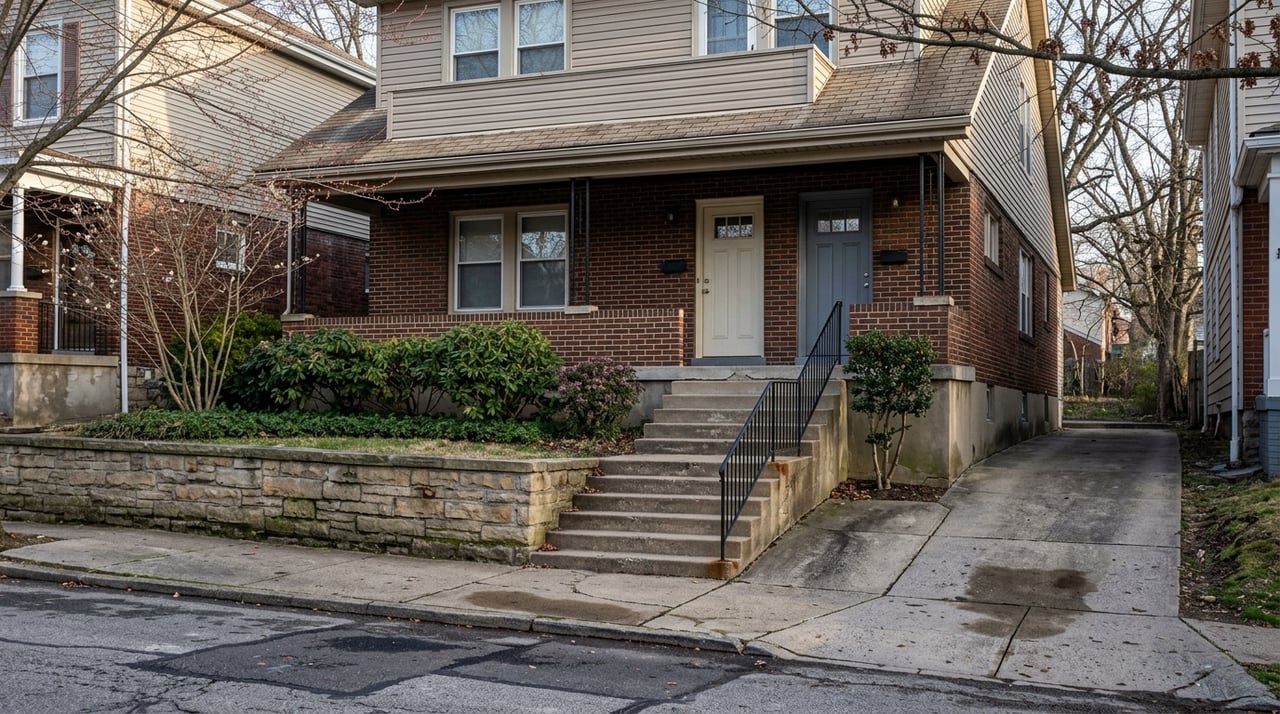
Analyzing A Huntington WV Duplex Investment
May 14, 2026
May 14, 2026
Is a duplex in Huntington, WV a smart investment, or a property that only looks good on paper? If you are evaluating your first multi-unit deal or adding to a small portfolio, it is easy to get pulled in by a low purchase price and miss the local details that shape returns. This guide walks you through how to analyze a Huntington duplex with a more grounded lens, from rent assumptions and taxes to inspections, location, and renovation risk. Let’s dive in.
A Huntington duplex should be underwritten with realistic rent expectations, not broad market optimism. The city’s 2024 profile shows a median gross rent of $912 and median household income of $45,100, which points to a price-sensitive rental market rather than one built for aggressive rent projections.
That matters because published rent numbers do not all say the same thing. As of May 2026, Apartments.com reports an average citywide rent of $788 per month, while HUD’s FY2026 Fair Market Rent for a 2-bedroom in the Huntington-Ashland area is $1,036. Those numbers are best treated as a range for screening, not a guaranteed result for any specific duplex.
For duplex investing in Huntington, a citywide average is not enough. One older unit with dated finishes and another renovated unit in a stronger location may lease at very different rates, even within the same property.
A better approach is to estimate rent for each unit separately based on condition, layout, and location. In Huntington, older duplexes on lower-amenity blocks may rent below the HUD benchmark, while updated units near major activity centers may perform closer to or above it.
A quick screen can help you decide whether a property deserves a deeper look. If you modeled a duplex with two 2-bedroom units at the FY2026 HUD Fair Market Rent of $1,036 each, gross scheduled rent would be about $24,864 per year.
If you then applied an 8% vacancy allowance, effective gross rent would drop to about $22,876. This is only a screening exercise, but it shows how quickly the headline income can shrink once you account for normal vacancy.
Vacancy deserves extra caution in Huntington. The city’s housing-needs assessment estimated 24,367 housing units in the primary study area in 2023, with 81.5% occupied and 18.5% vacant.
That does not mean your duplex will sit vacant 18.5% of the time, but it does mean vacancy is not uniform across the city. Block-level selection, property condition, and management discipline matter a great deal more than they might in a tighter suburban rental market.
Taxes can change a duplex deal fast, especially if you are comparing owner-occupied and non-owner-occupied scenarios. In West Virginia, property is assessed at 60% of appraised value, and a non-owner-occupied duplex inside Huntington city limits is generally Class IV for ad valorem tax purposes, while owner-occupied residential property is generally Class II.
That distinction matters because the final tax bill depends on the levy district and applicable local levies. Before you write an offer, the Cabell County Assessor’s tax estimator is one of the most useful local tools for comparing City of Huntington properties and Class 2 versus Class 3/4 tax scenarios.
A low entry price can be appealing, but Huntington duplex investing is highly location-sensitive. Citywide stats only tell part of the story, especially in a market where occupied housing is close to evenly split between owners and renters.
In practice, you want to study the exact corridor, block condition, and proximity to stable demand drivers. A duplex in a better-positioned area with fewer surprises may outperform a cheaper property that needs heavy rehab or struggles to attract consistent tenants.
Several Huntington corridors stand out because of planning focus and institutional anchors. City planning materials describe downtown and Marshall University as the economic and education center of the city and region, with dense mixed-use areas and student housing.
Marshall University reported 11,269 students in 2023, and city planning emphasizes better pedestrian connections between campus and downtown. For a duplex investor, that can support rental demand near those corridors, especially for well-maintained and code-compliant units.
The Fairfield and Hal Greer corridor also matters. City materials describe the Fairfield Innovation Corridor as a long-range redevelopment area involving Marshall University and Cabell Huntington Hospital, both of which can help support rental demand in nearby locations.
West Huntington and the 14th Street West and Old Central City area are also important to watch. The city’s West End revitalization work focuses on arts and culture, infrastructure, adaptive reuse, and attracting investment in housing and commercial buildings, which may shape future opportunities for patient investors.
This is one of the biggest mistakes investors make with older Huntington duplexes. A property may look like it needs paint, flooring, and updated fixtures, but local inspection and housing-condition data suggest many rentals need deeper work.
The city says a 2020 housing stock report found that 63% of rental units were in decline and estimated that 60% to 80% of rental units were code non-compliant. That should push you to underwrite repairs with more caution and avoid assuming a quick cosmetic flip into stable rental income.
In Huntington, rental units must meet applicable building, fire, health, safety, and zoning codes. For one- and two-family rental dwellings, the city says inspections occur no more than once in a 12-month period and review items such as electrical safety, heating, smoke alarms, handrails, and general maintenance.
That means your first rehab dollars often need to go to habitability and safety items before appearance upgrades. Common high-priority buckets often include:
If your numbers only work when you ignore these line items, the deal may be weaker than it appears.
Do not assume every duplex use is automatically allowed as-is. The city says most development requires planning and zoning review, and housing-needs materials note that in some zoning districts duplexes and other multifamily uses are conditionally permitted and may require Board of Zoning Appeals approval.
That makes early due diligence essential. Before you get attached to a property, confirm whether the current use is lawful, whether any planned changes trigger review, and whether the site has any zoning-related limits that could affect your renovation or exit strategy.
Flood risk should never be an afterthought in Huntington. The city says the floodplain is primarily around Four-Pole Creek and Krouts Creek, with about 400 properties in a designated floodplain.
If a duplex is in or near one of those areas, you should account for more than just insurance. The city states that floodplain development requires a permit and an elevation certificate, so a low-lying or creek-adjacent property may carry higher holding costs, tighter renovation requirements, and more exit-risk when you sell.
If you are reviewing a Huntington duplex, keep your process simple and disciplined. A strong first-pass analysis usually includes these steps:
That final step is where many deals either hold up or fall apart. If the property only works with top-of-range rents, low repairs, and minimal vacancy, it may not offer enough margin for a market like Huntington.
The strongest duplex opportunities in Huntington usually share a few traits. They are well-located near durable demand drivers, priced with condition in mind, and supported by realistic rental assumptions.
They also leave room for repairs, tax differences, and vacancy without wiping out your return. In a market like this, discipline often matters more than chasing a perfect cap rate on a listing sheet.
If you want to buy well in Huntington, your goal is not just finding a duplex that looks affordable. It is finding one that still makes sense after you account for local rents, compliance, taxes, and location-specific risk.
If you are weighing a duplex purchase in Huntington and want a local, grounded read on the opportunity, Christina Di Filippo can help you evaluate the numbers, property context, and next steps with clear advice tailored to your goals.
Whether you’re ready to sell your home, curious about its value, or just exploring your options, Christina and David Di Filippo are here to guide you. Let’s connect and start turning your real estate goals into reality.