Buying A Second Home In Lewisburg vs Canaan Valley
June 25, 2026
June 25, 2026
Wondering whether your second home should feel like a charming town retreat or a mountain escape built around the outdoors? If you are comparing Lewisburg and Canaan Valley, you are already looking at two very different West Virginia experiences. The good news is that each location offers a clear lifestyle fit, and knowing the difference can help you buy with more confidence. Let’s dive in.
Lewisburg and Canaan Valley are both appealing second-home markets, but they serve different goals. Lewisburg offers a historic small-town setting with year-round usability, while Canaan Valley leans more heavily into recreation, elevation, and seasonal mountain living.
If you want your second home to support regular visits, everyday convenience, and a strong sense of town life, Lewisburg often stands out. If you picture ski weekends, cabin stays, and a retreat centered on outdoor adventure, Canaan Valley may feel like the better match.
Lewisburg has a distinct identity that is hard to confuse with anywhere else. The city describes itself as 232 years old and home to many 18th- and 19th-century buildings, including a 236-acre National Register Historic District in the center of town.
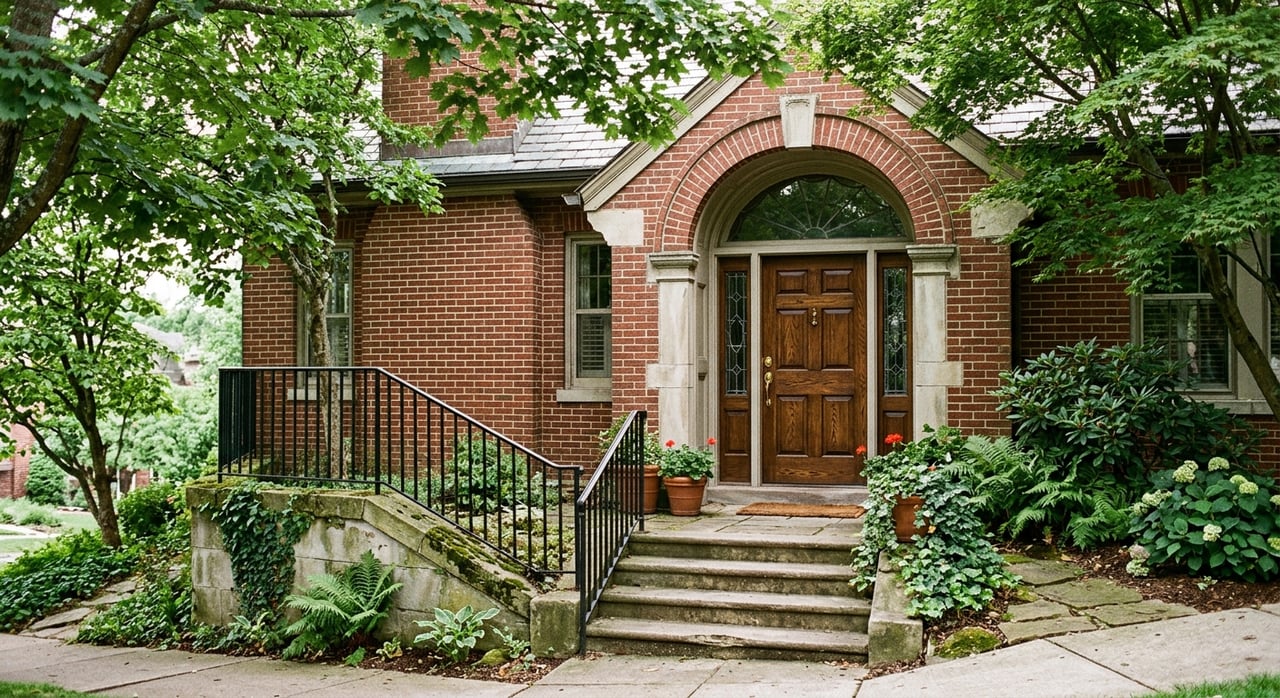
That historic character shapes the experience of owning there. You are not just buying a house. You are often buying into a setting defined by established streetscapes, preserved architecture, and a town-plus-countryside atmosphere that includes nearby farms, country roads, farmhouses, and manor houses.
Lewisburg also has a strong cultural profile. Carnegie Hall identifies Lewisburg as a Certified Arts Community, which supports the town’s reputation for arts programming and a lively local identity beyond peak travel seasons.
For many buyers, that makes a second home in Lewisburg easier to use throughout the year. It can function as a weekend escape, a part-time residence, or a comfortable base for longer stays without feeling tied to one season.
Canaan Valley offers almost the opposite experience. West Virginia State Parks describes Canaan Valley Resort State Park as a four-season destination on a high plateau in the Allegheny Mountains, with skiing, golf, a lodge, cabins, and campground lodging.
Tucker County tourism markets the area as a winter basecamp with three premier ski resorts, mountain towns, cozy lodging, and outdoor recreation. That tells you a lot about the rhythm of ownership there. The appeal is strongly connected to mountain travel and recreation-focused getaways.
If your ideal second home is a cabin-oriented retreat where outdoor plans shape the trip, Canaan Valley is a natural fit. It is especially attractive if winter use is a major priority.
This is the most important question to ask yourself before you start touring homes. Do you want a second home that feels like a true extension of your everyday life, or do you want one that feels like a distinct escape?
Lewisburg is usually the better fit if you want:
Greenbrier County planning materials also note that the Greenbrier Valley Airport is north of Lewisburg. For buyers who value easier in-and-out access, that can support Lewisburg’s appeal as a second home you plan to use often.
Canaan Valley is usually the better fit if you want:
If your vision starts with snow, slopes, and a getaway atmosphere, Canaan Valley may align more naturally with how you want to use the property.
The housing feel in each area tends to follow the lifestyle. In Lewisburg, second-home buyers are more likely to focus on historic in-town homes or Greenbrier Valley properties near town.
In Canaan Valley, buyers are more likely to look at cabins, cottages, lodge-adjacent units, or other resort-oriented properties. That pattern lines up with the area’s recreation focus and the lodging mix at Canaan Valley Resort, which includes a 160-room lodge, 23 cabins, and 34 camping access sites. The cabin options there include two-, three-, and four-bedroom layouts.
This does not mean every property will fit the same mold. It does mean your home search will probably feel very different in each market from the beginning.
Many second-home buyers underestimate how much climate affects ownership. In this comparison, weather is not a side note. It is part of the buying decision.
NOAA climate normals show Lewisburg 3 N at about 2,300 feet elevation, with an annual mean temperature of 50.7°F and 29.5 inches of snow. Canaan Valley #2 sits at 3,254 feet, with an annual mean temperature of 46.7°F and 56.2 inches of precipitation.
Canaan Valley Resort says the area receives around 180 inches of snowfall annually and centers winter activities like skiing, snowboarding, and tubing. In practical terms, that means ownership in Canaan Valley often comes with more weather-driven planning, especially if you expect to use the home in winter.
Lewisburg still has four seasons, but it generally supports a less weather-intensive ownership pattern. For some buyers, that difference is a deciding factor.
Recent listing snapshots suggest these markets are directionally different, though current numbers can change quickly. Realtor.com showed Lewisburg with a median listing price around $349,000 and 74 homes for sale, while Canaan Valley showed a median listing price around $300,000 and 65 homes for sale.
The same snapshot also indicated a longer median days-on-market figure in Canaan Valley. That does not create a rule for every listing, but it can help frame expectations when you begin comparing inventory.
The key takeaway is simple: pricing and pace may differ, but your intended use should drive the decision more than one headline number. A less expensive option is not automatically the better fit if it does not match how you want to live in the home.
If Lewisburg is high on your list, pay close attention to where the property sits. The City of Lewisburg says exterior changes of any kind in the historic district require a Certificate of Appropriateness before a building permit can be issued.
That review process is designed to protect contributing structures and the public view. For buyers, it matters most when you are thinking about visible exterior updates such as façades, porches, fences, or signage.
This does not mean ownership is overly restrictive. It does mean you should go in with a clear understanding of what may require review before making visible changes to the home.
Property taxes deserve extra attention when you are buying a second home in West Virginia. According to the West Virginia Tax Division, assessed value is generally 60 percent of fair market value, and property class depends on use and location.
Owner-occupied residences are Class II. Non-owner-occupied property inside a municipality is Class IV, while non-owner-occupied property outside a municipality is Class III.
In a Lewisburg purchase, that often means a second home inside city limits will be Class IV. In the Canaan Valley area, the classification may depend on whether the property is inside or outside an incorporated municipality, so it is smart to verify classification with the county assessor before closing.
A related point is homestead relief. Greenbrier County’s assessor says the homestead exemption requires owner occupancy and West Virginia residency, so a true second home generally will not qualify.
If you are still torn, try narrowing the decision with a few practical questions:
In many cases, the answer becomes clear once you think about use instead of just location. Lewisburg works especially well when you want a second home that feels connected to daily life and regular travel. Canaan Valley works especially well when you want the home itself to serve as a destination retreat.
Whether you are leaning toward a historic home near downtown Lewisburg or a mountain property in a recreation-focused area, the right choice starts with matching the market to your real goals. If you want local guidance on second-home opportunities in Lewisburg or Canaan Valley, Christina Di Filippo can help you compare options and plan your next move.
Whether you’re ready to sell your home, curious about its value, or just exploring your options, Christina and David Di Filippo are here to guide you. Let’s connect and start turning your real estate goals into reality.