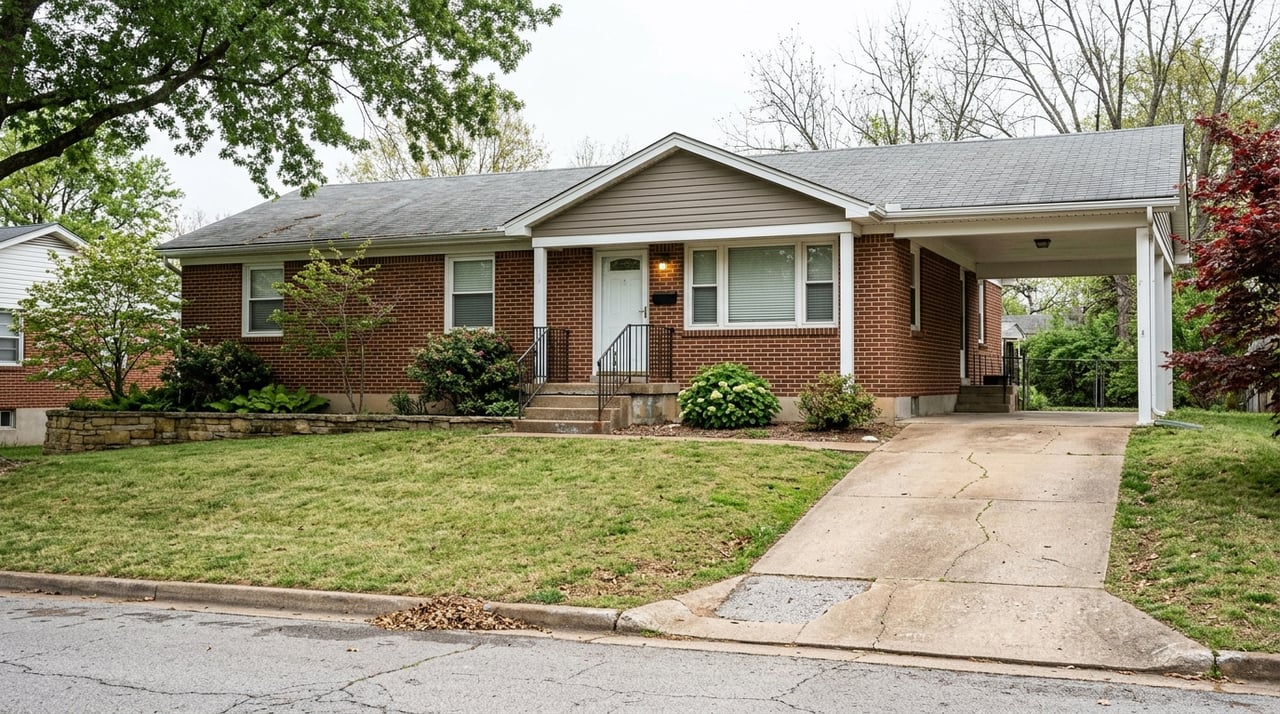
From Starter To Forever Home In Hurricane WV
June 11, 2026
June 11, 2026
Ready for more space, a better layout, or a home that fits your life for the long run? If you already own a home in or near Hurricane, moving from a starter home to a forever home can feel exciting and stressful at the same time. The good news is that with the right plan, you can make a smart move that protects your budget and keeps your next step on track. Let’s dive in.
Hurricane offers a practical location for buyers who want to stay in the Charleston-Huntington corridor. City and state tourism information place it just south of Interstate 64 at exit 34, between Huntington and Charleston, with trails, Main Street businesses, and dining.
That balance can matter when you are thinking long term. If your first home no longer fits your needs, Hurricane gives you a chance to look for more space or a different layout without giving up access to the broader region.
Hurricane remains a relatively small city, with a 2024 Census estimate of 6,813 residents. The Census Bureau also reports a median household income of $71,167 and an owner-occupied housing rate of 67.3%.
Putnam County is larger and even more owner-focused. The county has 57,067 residents, a median household income of $79,527, and an owner-occupied housing rate of 81.8%, which is higher than the statewide owner-occupied rate of 74.9%.
For you, that matters because a homeowner-heavy market often means many households are building equity over time. If you bought a starter home a few years ago, some of your ability to move up may come from the equity you have already built.
A move-up plan works best when you look at local data with care. Redfin’s April 2026 snapshot for Hurricane shows a median sale price of $207,393, with homes taking an average of 46 days to sell and a sale-to-list ratio of 98.3%.
County-wide numbers are higher. Zillow reports a typical home value in Putnam County of $245,449, a median sale price of $275,650, and a median list price of $288,316. Realtor.com reports a county median listing price around $290,000, with 266 homes for sale and year-over-year days on market up 23.4%.
These figures are useful, but they are not interchangeable. They reflect different geographies and different ways of measuring the market, which is why a local pricing review and seller net sheet are often more helpful than one headline number.
Before you browse listings, focus on one key number: your equity. In simple terms, equity is the difference between what your home is worth and what you still owe on your mortgage.
That number helps answer one of the biggest move-up questions: how much home can you realistically buy next? If your expected sale proceeds are strong enough, they may cover some or all of your next down payment and closing costs.
A simple move-up starting point includes these three numbers:
When you know those figures, your options become much clearer. You can compare target price ranges, estimate how much cash you will need, and decide whether your timeline is realistic.
Mortgage rates still shape affordability in a big way. Freddie Mac’s Primary Mortgage Market Survey reported a 30-year fixed average of 6.48% on June 4, 2026.
At that rate, a 20% down payment on Hurricane’s median sale price works out to about $1,046 per month in principal and interest. On Putnam County’s median sale price, the monthly principal and interest is about $1,391. Those figures do not include taxes or insurance.
That gap matters if you are choosing between staying in Hurricane proper or broadening your search across Putnam County. A forever home may give you more of what you want, but the monthly payment still has to fit your everyday life.
It is easy to focus only on the purchase price, but the full budget is wider than that. Homeownership can also include repairs, property taxes, insurance, closing costs, moving costs, furniture, and future improvements.
If the next home is larger, older, or on a bigger lot, those ongoing costs may rise too. A forever home should support your life, not stretch your finances to the point that the move stops feeling comfortable.
One of the biggest decisions in a move-up plan is timing. Should you sell your current home first, buy the next one first, or use short-term financing to connect the two?
The right answer depends on your equity, savings, income stability, and comfort with risk. Here is how each path generally works.
Selling first is often the simplest option. It can make sense if you need the proceeds from your current home for the next down payment or if you want to avoid carrying two mortgage payments at once.
The tradeoff is timing. If your current home sells before you find the right forever home, you may need temporary housing or a carefully coordinated closing schedule.
Buying first can work when you have enough savings to cover overlap or enough equity to support the move. This option can reduce the pressure of finding a home fast after your sale closes.
Still, it comes with more complexity. If both homes overlap for a while, your budget has to handle that period without strain.
Bridge financing can help when you want to buy a new home before selling your current one. Research cited in your report notes that temporary or bridge loans usually have terms of 12 months or less and are designed to help finance a new dwelling when you plan to sell the current home within that time.
That short timeline is the key caution. Bridge financing can solve a timing problem, but it works best when you have a realistic sale plan and conservative expectations.
Some homeowners look at a home equity loan or HELOC instead of a bridge loan. Both let you borrow against your equity, but both are second mortgages.
That means they add another layer of debt tied to your current home. HELOCs also often have variable rates, and if repayment becomes difficult, your home is at risk.
This is why the safest choice is not always the fastest one. If you are weighing a HELOC against bridge financing, the best fit usually comes down to your cash flow, your timeline, and how much financial complexity you can comfortably manage.
The smoothest move-up transactions usually start with planning, not listings. Before you fall in love with a forever home, it helps to map out both sides of the transaction at the same time.
A strong move-up plan often includes:
Closing coordination matters too. The sale timeline, purchase timeline, lender underwriting, and title work all have to line up as smoothly as possible.
A forever home does not have to be your last home. It simply needs to fit your life better for the long run than your starter home does today.
For many move-up buyers, that means thinking beyond square footage. You may want more bedrooms, a larger lot, one-level living, or a lower-maintenance setup that works better over time.
The key is to separate must-haves from nice-to-haves. That helps you stay grounded in your budget while still making a move that feels meaningful.
In Hurricane and the rest of Putnam County, the market is competitive but not one-speed. Homes in Hurricane averaged 46 days on market in Redfin’s April 2026 snapshot, while county data also points to meaningful differences in prices, listing levels, and market pace depending on where you look.
That is why the best move-up strategy is usually not about chasing the biggest home possible. It is about protecting your cash flow, using your equity wisely, and keeping enough flexibility to secure the right home when it appears.
If you are thinking about making this move, the real value comes from building a plan that fits your numbers and your timeline. When you do that, moving from a starter home to a forever home becomes much more manageable.
If you want help mapping out your next step in Hurricane or anywhere along the Putnam County corridor, Christina Di Filippo can help you evaluate your equity, understand your options, and create a move-up strategy that fits your goals.
Whether you’re ready to sell your home, curious about its value, or just exploring your options, Christina and David Di Filippo are here to guide you. Let’s connect and start turning your real estate goals into reality.