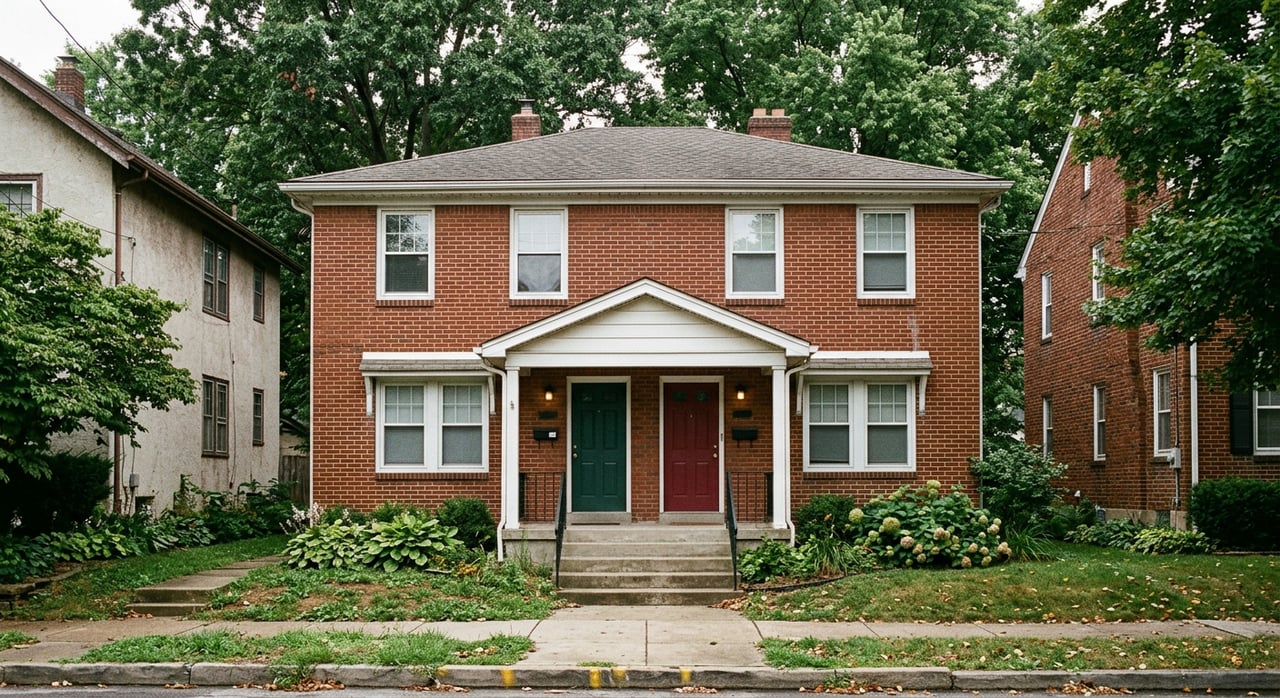
Guide to Huntington Neighborhoods Near Marshall University
March 24, 2026
March 24, 2026
Thinking about living near Marshall University or investing close to campus? The areas around the Huntington main campus offer a range of options, from walkable student streets to quiet, tree-lined blocks near parks. With Marshall’s 13,239 students shaping rental demand and the city’s classic housing stock, it pays to know each micro-market before you rent or buy. In this guide, you’ll learn where to look, what to expect for prices and leases, and how to match a neighborhood to your goals. Let’s dive in.
If you want to walk to the quad, classrooms, and Edwards Stadium, the University District is the closest fit. You’ll see a mix of small apartment buildings, purpose-built student rentals, and older homes split into multi-bedroom units. It is the most walkable area for students and has very predictable leasing seasons. Expect strong rental demand, higher turnover, and busy streets on game days. For a quick neighborhood snapshot, explore the University District overview.
Downtown Huntington places you near Pullman Square’s shops, events, and dining with a short walk to campus. Housing includes lofts and condo conversions above storefronts, some renovated apartments, and pockets of historic homes nearby. It suits students who value amenities and young professionals who want a short commute to the university or downtown employers. Get a feel for the core at the city’s Pullman Square visitor page.
Southside and the Ritter Park corridor are known for tree-lined streets, the rose garden, amphitheater, and a steady, residential feel. You’ll find mostly single-family homes with early 20th-century character, plus a few duplexes and small rentals. This is a good match if you want quieter streets, park access, and longer-term housing stability. Many faculty, staff, and professionals choose this area for owner-occupied living.
The Hal Greer Boulevard corridor includes apartment communities closely tied to campus life. Marshall’s materials reference nearby communities like Fairfield Landing as part of the campus-adjacent living picture, which can be convenient for graduate students and staff who prefer low-maintenance apartments. You’ll see a mix of newer and mid-age buildings with varied amenities. Learn more about nearby housing references in Marshall’s student handbook materials.
Farther from the quad but still an easy drive, these historic village and suburban-feel areas offer lower entry prices per square foot and a different pace. Buyers often consider these neighborhoods for single-family homes with less student density. They can work well for families seeking more separation from campus nightlife and for investors focused on longer-term rentals. Explore neighborhood associations and boundaries through the city’s interactive neighborhood organizations page.
Citywide, Huntington’s owner-occupied housing rate sits around 53 percent, with a median home value near $127,200 and median gross rent about $912. Those figures provide helpful context when you compare near-campus blocks, which often have a higher share of renters and more student-focused housing. You can review the latest city baselines in the U.S. Census QuickFacts.
Students who move off campus often use historical rent ranges as budgeting guides. Past university materials have noted rough ranges such as studios around $350 to $500, one-bedrooms around $400 to $650, two-bedrooms around $500 to $850, and three-plus bedrooms ranging widely, sometimes up to $1,800 depending on size and condition. These are benchmarks only, so always confirm with current listings. You can see examples of these historical ranges in Marshall’s off-campus budgeting guidance.
One factor that shapes demand: full-time freshmen and sophomores are required to live in university housing. That means the primary off-campus renter pool includes juniors, seniors, graduate students, and university staff. If you are modeling rental demand for an investment, start with that policy, then apply block-level comps. Read the policy details on Marshall’s Housing and Residence Life FAQ.
For broader market context, Marshall reported a total student headcount of 13,239 in Fall 2025. Enrollment levels help you gauge the scale of near-campus rental demand over time. See current university statistics on Marshall’s Quick Facts page.
If you want maximum walkability, the University District and downtown interface are your best bets. Living a bit farther out becomes feasible with transit, since the Tri-State Transit Authority serves campus and local routes. Marshall also coordinates campus shuttle options, which students often use to move between campus and downtown. For an overview of the immediate campus neighborhood and mobility notes, scan the University District guide.
For lifestyle bonuses, note the city’s anchor amenities. Pullman Square hosts events and dining, Harris Riverfront Park offers riverfront trails, and Ritter Park provides a rose garden, playgrounds, and an amphitheater. These public spaces define the day-to-day experience if you live near campus or downtown. You can browse downtown highlights through the city’s Pullman Square visitor page.
Buying near a university is different from a typical suburban rental. Use this checklist to guide your underwriting and inspections:
Use these prompts to decide where to focus:
Whether you are a student, a faculty member, a young professional, or an investor, the right fit comes down to street-level details. We’ll help you compare walk times, verify rental rules, pull sold comps, and spot the upgrades that matter in Huntington’s near-campus market. If you are ready to tour neighborhoods or build an investment plan, connect with Christina Di Filippo to schedule your free consultation.

Whether you’re ready to sell your home, curious about its value, or just exploring your options, Christina and David Di Filippo are here to guide you. Let’s connect and start turning your real estate goals into reality.