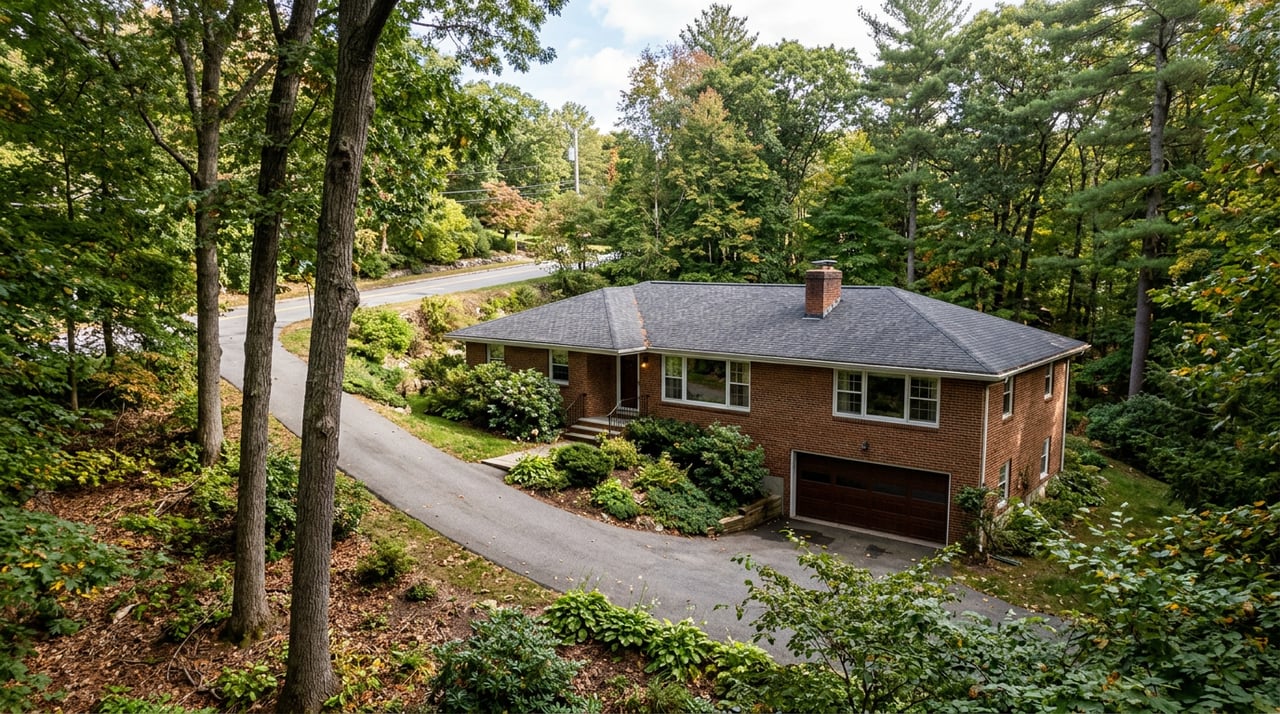
Buying Land Near Lewisburg: Mineral Rights, Septic Feasibility, and Permits
September 3, 2026
September 3, 2026
Buying a house comes with a script everyone already knows. Make an offer, schedule the inspection, negotiate the repair list, close. Buying land near Lewisburg follows no such script, and that's exactly what trips people up. There's no house to inspect, so buyers assume there's less to check. In practice there's more, and it splits into two separate investigations that don't run on the same clock, don't get solved by the same professional, and don't offer the same remedy if something goes wrong.
One investigation happens underground and usually can't be fully resolved before closing, only priced. The other happens in the soil and has to be resolved before a builder can start work. Skip either one and the parcel you bought on a Saturday drive can turn into a parcel you can't build on for a year.
The split has a direct legacy in the coal era, when, as WV Explorer explains, landowners across the state routinely sold or reserved the oil, gas, and coal beneath their property while keeping or transferring the ground on top.
You don't have to take this as an abstraction. It's showing up in real listing language right now. A 70-acre tract near Lewisburg on Benedict Lane, marketed as a farm or development site, is listed. It's a reminder to investigate mineral ownership before making an offer.
West Virginia is a buyer-beware state. Under the state's Residential Property Condition Disclosure Act, a buyer can waive the right to the standard disclosure form in writing, as The Jamil Brothers explain. It's customary for a West Virginia disclosure to note it, and most sellers who know their minerals were severed will say so, but the law's teeth here are soft. If nobody asks, and nobody volunteers it, the mineral question can ride quietly through closing.
That's why relying on the listing sheet is a mistake. The only way to actually know what a parcel includes is a title examination of the deeds, probate records, and tax records tied to that property, ideally by an attorney or title examiner who works oil, gas, and mineral titles. For land purchases specifically, since land-only sales fall outside the disclosure act's scope entirely, this step isn't a nice-to-have. It's the only mechanism that tells you what you're actually buying.
Assume the mineral question is settled and you own everything you think you own. The next question is whether you can put a house on it, and in Greenbrier County that question runs through the health department, not the seller.
Greenbrier, along with Monroe, Pocahontas, and parts of Pendleton County, sits on limestone bedrock with genuine karst features, meaning sinkholes and fast-moving underground channels rather than the slow, predictable soil filtration a septic system is designed around. A poorly sited system here doesn't just fail quietly. It can move contaminated water through bedrock conduits and surface in a spring or well some distance away
Layer onto that the shape of the land itself. Many rural parcels around Lewisburg are long, narrow strips running up a hollow, with the buildable area pinned between a creek on one side and a rising hillside on the other. Fitting a septic tank and a drainfield into that geometry is a genuine design problem, not a formality, and it's one a soil scientist or certified site evaluator should look at before you fall in love with a specific building spot.
Here's the part that catches buyers off guard: none of this happens in the order they expect, and skipping a step doesn't just slow things down, it stops the process cold.
That fourth step is the one people miss. A buyer can close on a beautiful wooded parcel, hire a builder, and then discover the county won't even start reviewing the building permit until the septic paperwork exists, which means the site evaluation and perc test needed to start that process should have happened during due diligence, not after closing.
Road frontage looks like a settled fact on a listing sheet. It isn't always. One nine-acre parcel near Alderson, marketed with plenty of road frontage, carries a plain note that the state Division of Highways would need to be contacted to determine where access could actually be located. Frontage tells you the road touches your property line. It doesn't tell you where a legal driveway cut is allowed, and that's a separate approval with its own timeline.
The lesson here isn't that land near Lewisburg is a bad idea. Greenbrier County's rural market, from smaller building lots near town to larger wooded tracts and gated communities like The Retreat on White Rock Mountain, remains one of the more genuine opportunities in the region for a second home, a homestead, or a long-term hold. The lesson is that the due diligence period on raw land needs to do two jobs at once that a house purchase never asks of it.
Treat the mineral title search the way you'd treat a survey: order it early, expect it to take real time, and build the cost of an attorney's review into your budget rather than your closing week. Treat the septic feasibility question the way you'd treat a financing contingency: get a certified site evaluator or soil scientist onto the specific building envelope you intend to use before your due diligence period runs out, not after. If the perc test comes back difficult, that's information you want while you can still walk away or renegotiate, not information you want after you own the land.
Land prices per acre across Greenbrier County vary wildly depending on which slice of the market you're looking at, from a few thousand dollars an acre for large wooded tracts to well over ten thousand for smaller, road-fronted building lots close to town. That spread is a reminder that the price per acre tells you almost nothing about whether the acre in question can actually be built on. The mineral title and the septic feasibility are what tell you that.
How long does the septic approval process typically take before a building permit can be issued? It varies with soil conditions and how quickly a certified installer and the health department can schedule site visits, but because the perc test, evaluation, and permit issuance all have to happen in sequence before a building permit application is even accepted, buyers should plan for this to take weeks, not days, and start it as early in their due diligence period as possible.
Can I request a mineral title search even if the seller's disclosure doesn't mention severed rights? Yes, and you should. Since land-only transfers fall outside West Virginia's residential disclosure act entirely, there's no statutory guarantee the topic gets raised at all. An independent title examination through an attorney or title company is the only reliable way to confirm what you're buying.
If you're weighing a parcel near Lewisburg and want a second set of eyes before you write an offer, Home in WV has spent years working land and second-home transactions across the Greenbrier Valley alongside residential sales in Charleston and Kanawha Valley. Schedule your free consultation and let's walk the permitting sequence together before you're locked into a contract.
This article is general information, not legal, tax or financial advice. Consult a qualified professional about your situation.

Whether you’re ready to sell your home, curious about its value, or just exploring your options, Christina and David Di Filippo are here to guide you. Let’s connect and start turning your real estate goals into reality.