Charleston’s East End Historic District: What the Boundary Means for Renovations
August 27, 2026
August 27, 2026
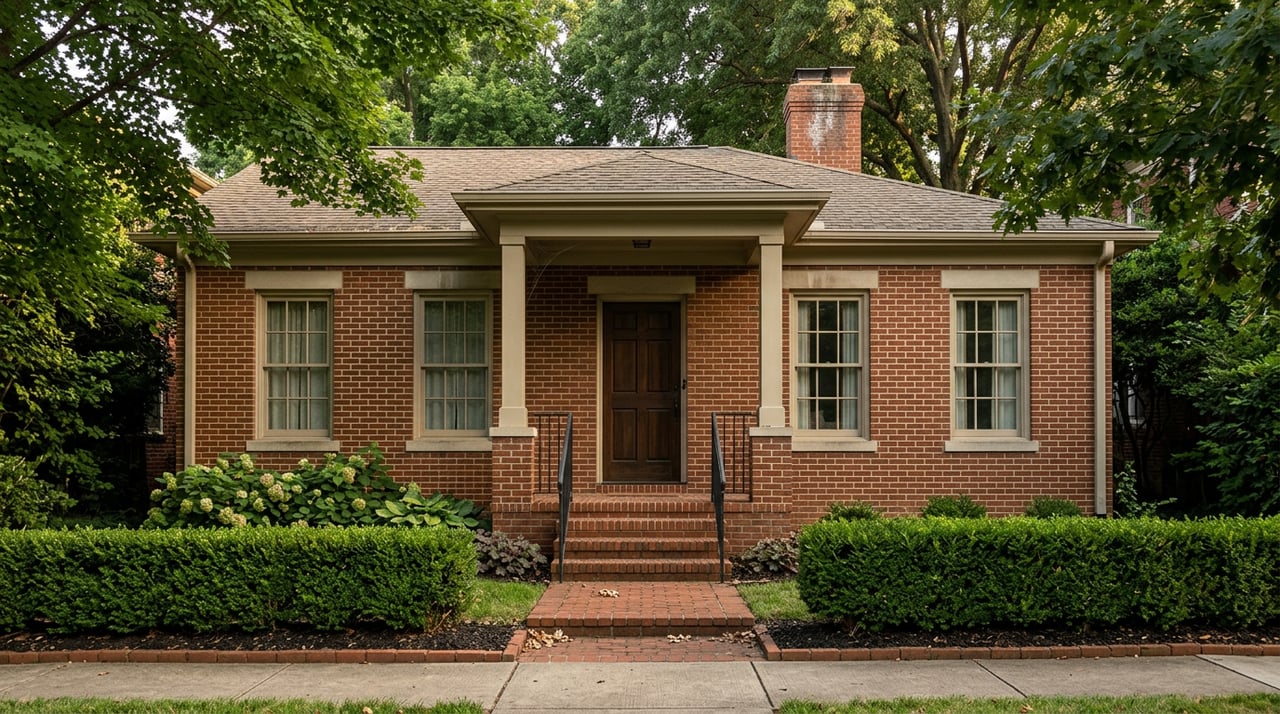
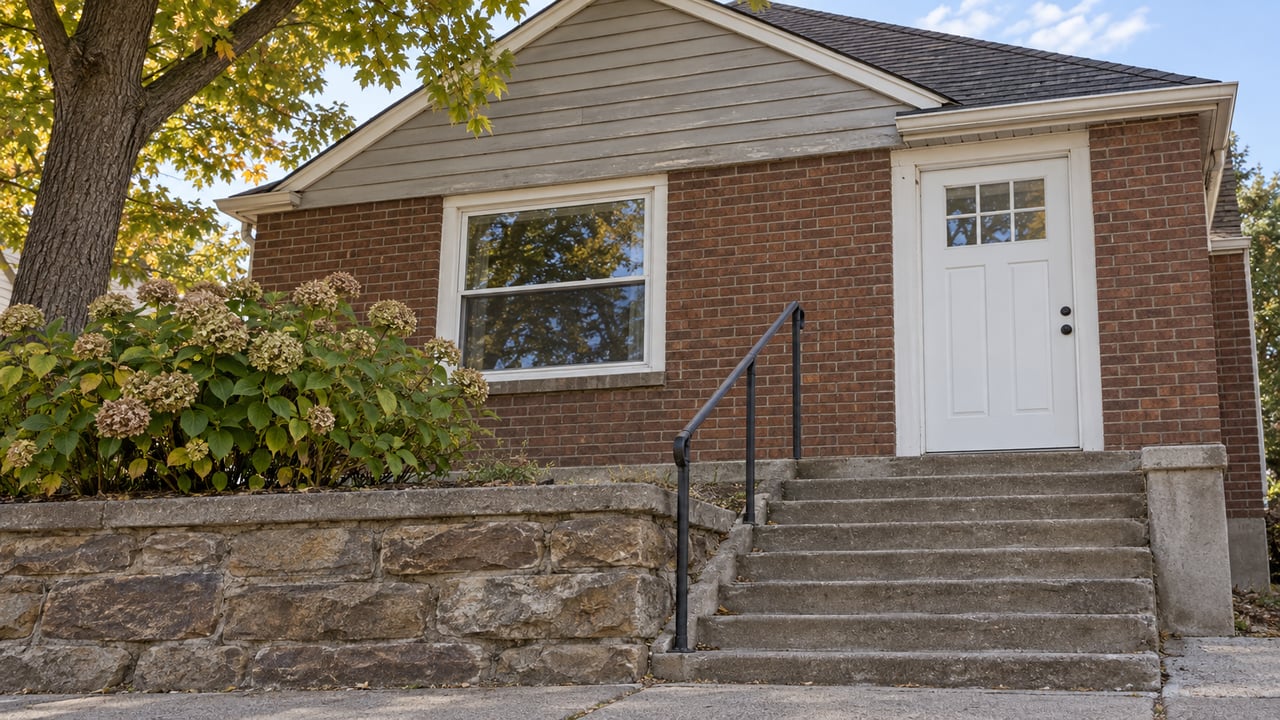
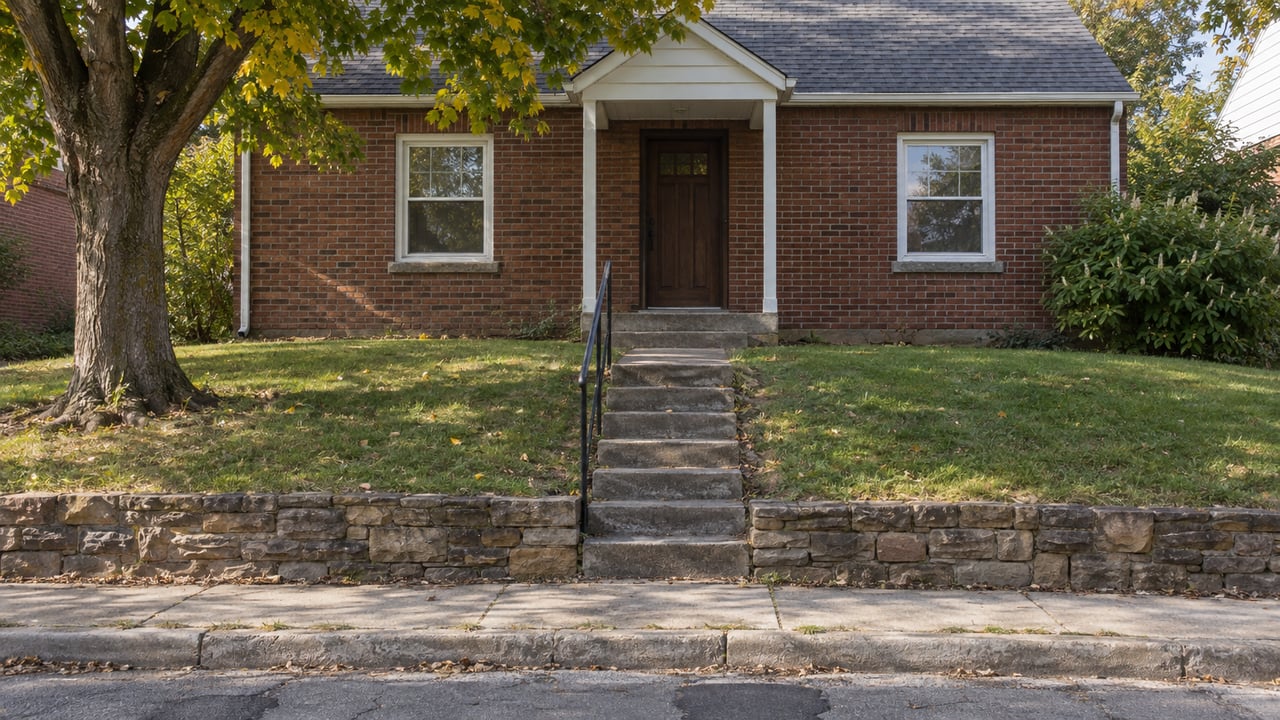
Two brick houses sit four blocks apart in Charleston's East End. Both were built in the early 1900s. Both show up under the same neighborhood tag on every listing site you'll check before making an offer. And if you want to replace the porch columns, swap out the windows, or add a dormer, one of them requires a call to the city and a Certificate of Appropriateness before a contractor touches the exterior. The other doesn't.
That difference has nothing to do with the house's age, its architectural style, or whether it's listed on the National Register. It comes down to which side of a boundary drawn in 1978, and expanded once in 2014, the address happens to fall on. Most buyers never find out which side they're on until they're already past inspection.
Charleston's East End Historic District was the first area in the city to land on the National Register of Historic Places, back in April 1978. The original boundary runs roughly two and a half blocks upland from the Kanawha River, between US 60 and Morris Street. In 2014, the city extended the district's National Register listing north to Dixie Street.
Here's the part that catches people off guard: that 2014 expansion added properties to the historic register, but it did not add them to the design review process. The city's own design guidelines are explicit on this point: only the original 1978 boundary is subject to review by the Charleston Historic Landmarks Commission, or CHLC. A house in the expansion area can carry the same "East End Historic District" name on its listing sheet as a house inside the original boundary, qualify for some of the same financial incentives, and still face a completely different set of rules the day you want to change anything on the outside of it.
It's worth understanding which side of that line your address sits on before you write an offer, not after.
Inside the original boundary, the CHLC's authority is narrower than most buyers assume. It only reviews exterior work. A kitchen remodel, a bathroom gut, new electrical, new plumbing, none of that requires anything from the commission as long as the outside of the house doesn't change. That's true whether you're inside the 1978 boundary or the 2014 expansion.
Exterior work is where the boundary starts to matter:
Minor items in this list often get handled administratively, sometimes approved by city staff the same day the request comes in. Larger scopes, additions especially, go to a full CHLC hearing instead, which means weeks rather than a same-day sign-off. That's a real timeline cost if you're trying to close, renovate, and list again inside a tight window.
There's a second layer worth knowing about, separate from CHLC review entirely. According to WOWK-TV, in 2024 the city amended a zoning ordinance to let historic register structures be used for more than office space, opening the door to uses like bed and breakfasts. The partners behind The Ruffner, a Ruffner Avenue property near Kanawha Boulevard, tested that change directly, closing on an East End property and applying to convert it into a multi-purpose event space. That required a conditional use permit and variance from the Board of Zoning Appeals, a separate process from anything the CHLC handles. If your plans for a property go beyond straightforward residential use, expect two different city departments in the conversation, not one.
The Charleston Gazette-Mail reports that West Virginia offers residential property owners a state income tax credit equal to 20 percent of the cost of qualifying rehabilitation work on a historic home. There's no federal equivalent for owner-occupied residential property, so this state credit is the primary financial lever available to someone restoring one of these houses. It stacks with facade grants administered separately through East End Main Street, the neighborhood's Main Street organization.
That combination matters more if your house sits inside the original design-reviewed boundary. Design review often steers a project toward matching original materials, size, shape, and texture rather than the cheapest modern substitute, which can push a renovation budget higher than a comparable project in the expansion area where no design review applies. The tax credit and the facade grant exist to offset exactly that gap. A buyer weighing two similar East End houses, one inside the line and one outside it, should be pricing that incentive into the comparison, not treating it as an afterthought.
The boundary shows up in the sales data too, in a way that looks alarming until you understand why. As of June 2026, the median home price across the broader East End neighborhood in Charleston sat at $179,900, with an average sale price of $242,756, and homes typically spent 82 days on the market compared to a national average of 58.
Pull the data for the narrower "East End Historic District" polygon specifically, the tight geography inside the original 1978 line, and the picture looks very different: a median sale price of $80,700 as of February 2026, down nearly half year over year. That's not a market collapse. It's a small, low-volume slice of the broader neighborhood getting measured on its own, where a handful of transactions can swing the median hard in either direction. The lesson isn't that the historic core is losing value. It's that "East End" and "East End Historic District" are two different geographic definitions producing two different sets of numbers, and whichever one shows up first in your search results depends entirely on which polygon that particular site happens to be using.
If you're comparing a listing's stated median to what you're actually being asked to pay, ask which East End that number is describing.
One disclosure requirement on East End listings gets mistaken for a historic-district rule, and it isn't one. East End's housing stock is overwhelmingly early 20th century Craftsman, Colonial Revival, and Tudor construction, from properties like the Malone House on Quarrier Street to the more modest brick two-stories scattered through the neighborhood. The lead-based paint disclosure is separate from local historic designation.
None of this is visible on a standard listing photo or a portal's neighborhood map. If you're buying, ask your agent to confirm which boundary a specific address falls inside before you get attached to renovation plans. If you're selling, know which set of rules a buyer's contractor will be working under, because it affects how you should be pricing and marketing the house. Charleston's Planning Department can confirm boundary status directly, and the city's historic preservation page lays out which districts require review and which don't.
Does the 20 percent state tax credit apply outside the original 1978 boundary? The credit is tied to qualifying rehabilitation of a historic property. Confirm eligibility with the State Historic Preservation Office before budgeting around it.
If my house is in the expansion area, can I replace windows however I want? Without CHLC design review, you have more flexibility on materials and style than a house inside the original boundary.
Does the lead-based paint disclosure mean my house has a lead problem? No. The disclosure informs buyers of the possibility so they can request testing if they choose, not a confirmation that lead paint is present.
Buying or selling a century-old house in a neighborhood with this much layered history rewards knowing exactly which rules apply to your address, not the neighborhood's reputation in general. If you're weighing a move into Charleston's East End, or getting ready to list a property there, Home in WV can walk the boundary lines with you before you're locked into a plan. Schedule your free consultation and we'll help you figure out which East End you're actually buying into.
This article is general information, not legal, tax or financial advice. Consult a qualified professional about your situation.

Whether you’re ready to sell your home, curious about its value, or just exploring your options, Christina and David Di Filippo are here to guide you. Let’s connect and start turning your real estate goals into reality.