Charleston WV Home Inspection Issues Sellers Should Know
July 9, 2026
July 9, 2026
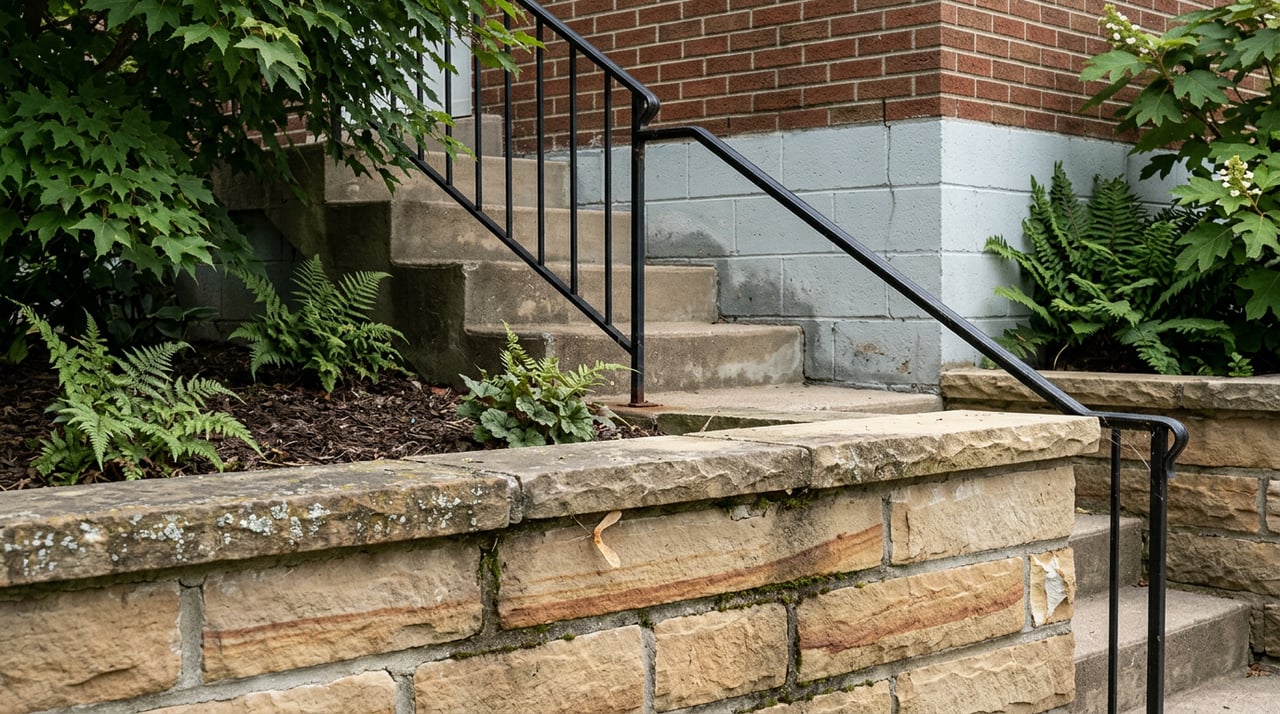
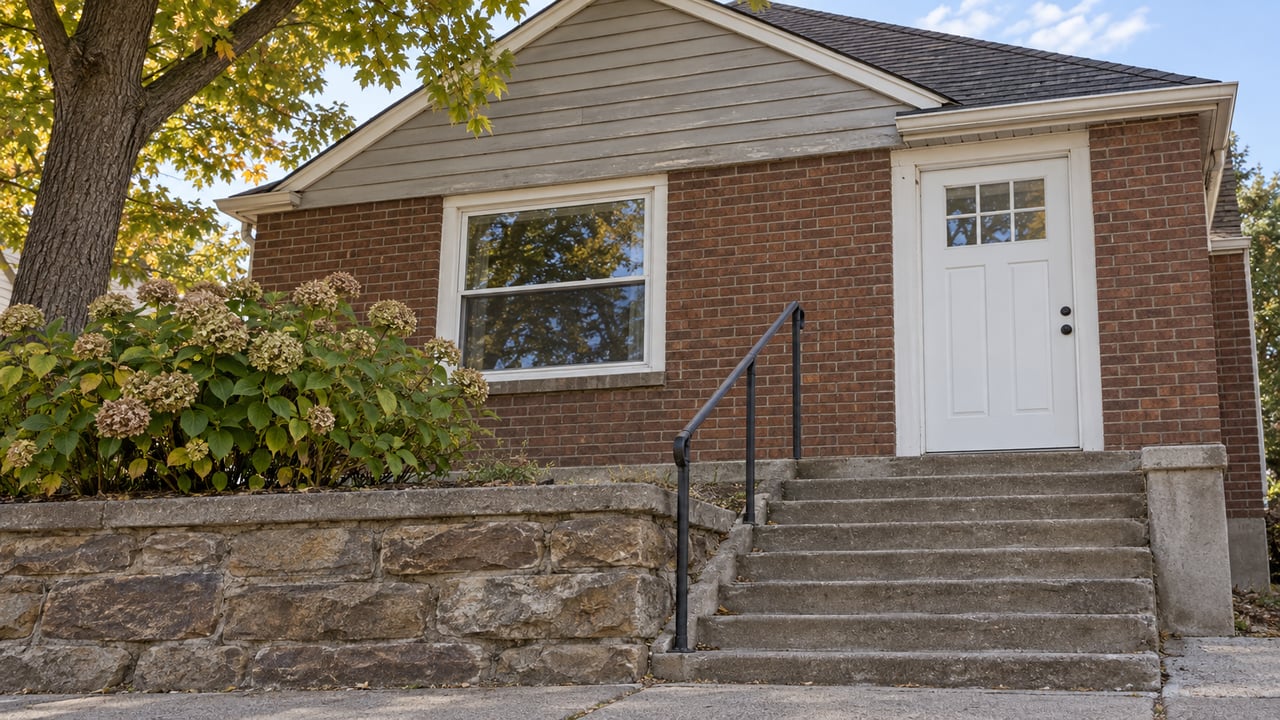
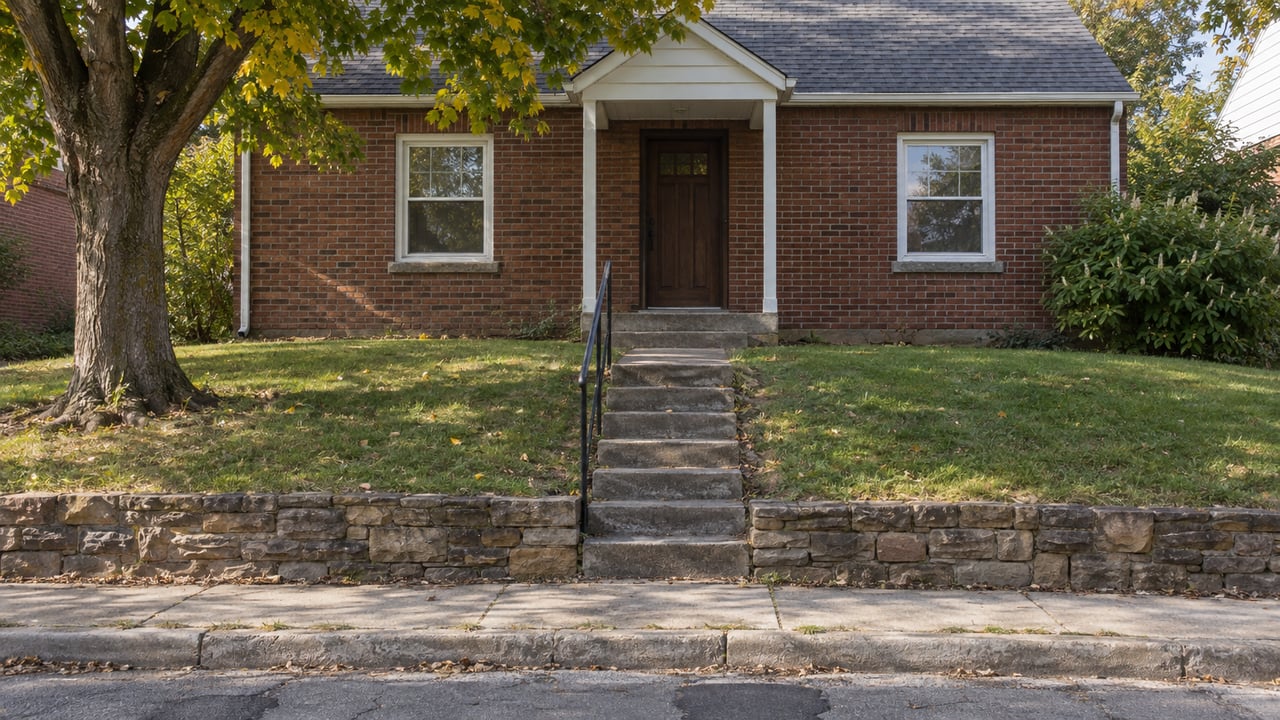
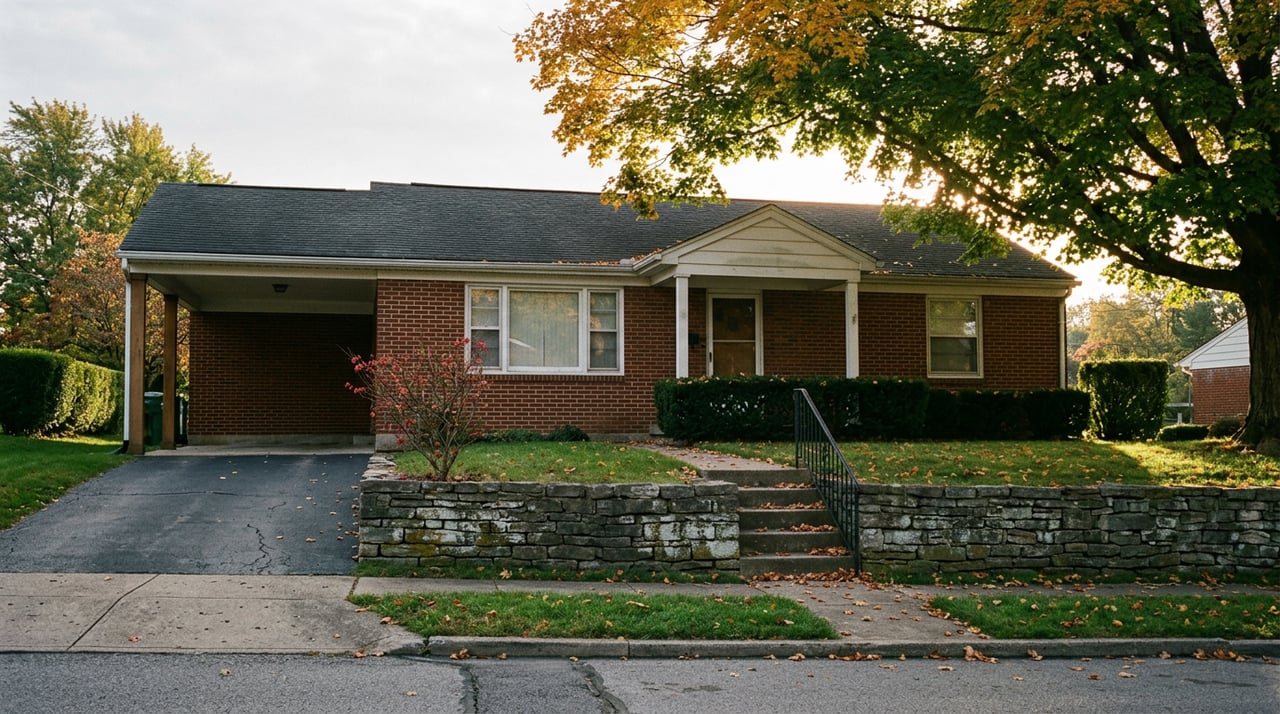
Most national inspection guides put roofs, electrical panels, and windows at the top of the list. In Charleston, that ordering is wrong. The first thing a competent local inspector does here is look at the ground the house is standing on, then follow that story up the walls. Foundations, retaining systems, and drainage are the friction points that renegotiate deals in this market, not shingles.
The thesis of this post is simple. In Charleston, the inspection story is a terrain story, and West Virginia's caveat emptor rules mean the seller who front-loads that terrain story keeps pricing leverage, while the seller who waits for the buyer's inspector to write it up loses it in the ten days it takes a Charleston listing to go pending.
Charleston housing stock is older than it looks on paper, and much of it was built into slopes at a time when residential building codes said less about basement retaining walls than they do now. Many older homes in the area were constructed with less than ideal building practices compared to today's standards, a common example being homes built with unreinforced basement retaining walls, and the mountainous terrain in Charleston presents many challenges for residential building contractors. That single sentence, from Charleston structural engineer Brett Hodgdon of KV Inspections, explains more of the friction in Kanawha Valley transactions than any market chart.
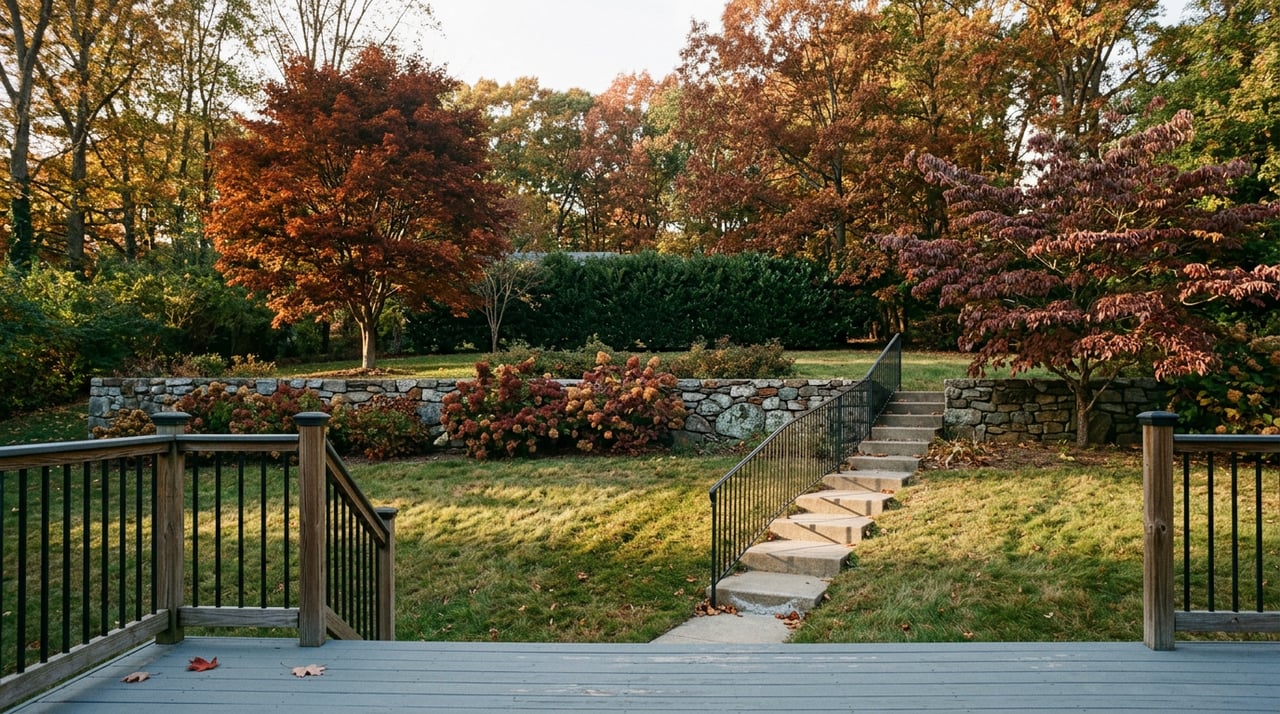
The mechanism is soil and water. The Groundworks West Virginia team, working across South Charleston, Charleston, Huntington, and Hurricane, attributes local foundation and basement problems to clay soils, hillside settlement, and storm runoff. Clay swells when wet and contracts when dry. On a slope, that annual cycle pushes laterally against basement walls that were never engineered to resist it. The result shows up as horizontal cracks in block foundations, stair-step cracks in brick veneer, sticking doors on the uphill side of the house, and efflorescence on the basement wall near grade.
None of that is exotic. What is local is the frequency. A Charleston inspector working a full week is going to see it on more houses than not, which is why the more seasoned local firms lead with it. Advantage Home Inspections in Charleston, led by Todd Ripka with 14 years of experience, pairs a termite inspection with every home inspection and draws on a background in foundation repair and pest control. That combination matters because the two problems compound. Damp crawl spaces attract termites, and termite damage in a sill plate can accelerate the settlement the buyer's inspector was going to flag anyway.
Sewer scope is the other line item that catches Charleston sellers off guard. Advantage runs a sewer scope service using camera technology to inspect underground pipes for blockages, leaks, and damage. On older Charleston lots with mature trees, root intrusion in clay lateral lines is common enough that buyers' agents now request the scope as a matter of course. If the seller has not run one, the buyer's report is where the surprise lands.
West Virginia is not a mandatory-disclosure state, and Charleston sellers sometimes read that as protection. It isn't, or at least not the kind of protection they think it is.
West Virginia does not have a law requiring sellers to give a formal disclosure statement to a potential buyer, and courts enforce caveat emptor clauses in purchase contracts, meaning judges ordinarily refuse to compensate buyers for defects found after the purchase unless the seller did something to actively prevent the buyer from inspecting the property. That is the letter of it. The practical reality is narrower. Federal law requires lead paint disclosures for pre-1978 homes, and sellers must truthfully answer buyer questions and cannot actively conceal known defects. Painting over a water stain on a basement wall is the classic example of active concealment, and it is exactly the kind of thing a thermal-imaging inspector will pick up anyway.
The tail risk is longer than most sellers expect. The statute of limitations for disclosure-related claims in West Virginia is typically two years from when the buyer discovers or reasonably should have discovered the undisclosed defect, meaning sellers remain potentially liable for undisclosed issues well after closing. A hairline crack the seller papered over in the spring can become a lawsuit the following winter when the buyer's first heavy rain reveals what the paint was hiding.
Mineral rights are the Charleston-specific twist that even experienced sellers miss. West Virginia has a long history of severed mineral estates, with many deeds separating surface rights from subsurface coal, gas, and oil rights, and sellers should disclose whether mineral rights convey, are retained, or were severed by prior owners, because mineral-rights status substantially affects value and is typically expected in a WV disclosure. A Charleston buyer coming from out of state will ask about this. If the answer is "I don't know," the deal slows while a title examiner sorts it out.
The statute itself gives sellers a meaningful safe harbor when they do disclose in good faith. Under the West Virginia Residential Property Condition Disclosure Act, a seller who relied on a licensed engineer, geologist, pest control expert, or home inspection expert and had no actual knowledge to the contrary is generally not liable for errors in that professional's report. Translation: a pre-listing structural report from a Charleston professional engineer does not just find problems, it also shields the seller who then discloses what the report found.
Charleston is not a slow market. The average Charleston home value in May 2026 was $162,212, up 4.0% over the past year, and homes went to pending in around 10 days. County-wide the picture is similar. Kanawha County's median sale price was $175,000 as of March 2026. The local read from the Kanawha Valley Board of Realtors, quoted in the Charleston Gazette-Mail this spring, is a steady market with inventory nudging up but not tipping toward buyers.
Ten days to pending sounds like seller leverage, and it is, right up until the inspection report lands. That is when a compressed timeline flips against the seller. The buyer has an inspection, a repair addendum, and a decision window measured in days, not weeks. A seller who is learning about a bowing basement wall for the first time from the buyer's report has no time to get a second opinion, no time to price a repair, and no time to reframe the finding. The buyer's agent runs the negotiation on the buyer's numbers.
A seller who commissioned a pre-listing structural walk-through has the opposite problem, which is to say, no problem. The finding is already documented, already priced, and already disclosed. There is nothing to renegotiate because the price already reflects it.
Two hundred to six hundred dollars for a pre-listing structural or foundation-focused inspection is the highest-return spend a Charleston seller can make on a house older than 1990. Some Charleston inspectors, including Hayes Home Inspections, have partnered with Foundation Certifications to offer foundation certifications and structural engineering reports for both stick-built and manufactured homes. For homes with visible settlement, a professional engineer's letter carries more weight in negotiation than a general home inspector's note, because it names the mechanism and the remedy.
Pair the structural report with a sewer scope and a documented mineral-rights position, and the seller walks into listing day with the three items that most often derail Charleston closings already handled. The buyer's inspector will still find things. They will not find surprises.
Do I have to fix what a pre-listing inspection finds? No. West Virginia does not require repairs, and a seller can list as-is. What the pre-listing report changes is pricing and disclosure. You either price the defect in or disclose it and let the buyer price it in. What you cannot do is know about it and stay silent.
Will disclosing a foundation issue kill my sale? Charleston buyers are used to hillside houses. What kills deals here is discovery mid-contract, not disclosure pre-contract. A documented, priced, and disclosed foundation repair almost always closes. An undocumented one at day seven of a ten-day inspection window usually doesn't.
How do I find out about severed mineral rights on my property? Start with the deed at the Kanawha County Clerk's office. A prior conveyance that reserves "all coal, oil, and gas" is your answer. If the deed is ambiguous, a title examiner or real estate attorney can trace it.
If you are thinking about listing a Charleston home this year and want a walk-through that identifies the friction points before a buyer's inspector does, Home in WV works with sellers on pre-listing strategy across the Kanawha Valley. Schedule your free consultation and we will map the specific items your house is likely to raise, along with the disclosures that keep you protected after closing.

Whether you’re ready to sell your home, curious about its value, or just exploring your options, Christina and David Di Filippo are here to guide you. Let’s connect and start turning your real estate goals into reality.